
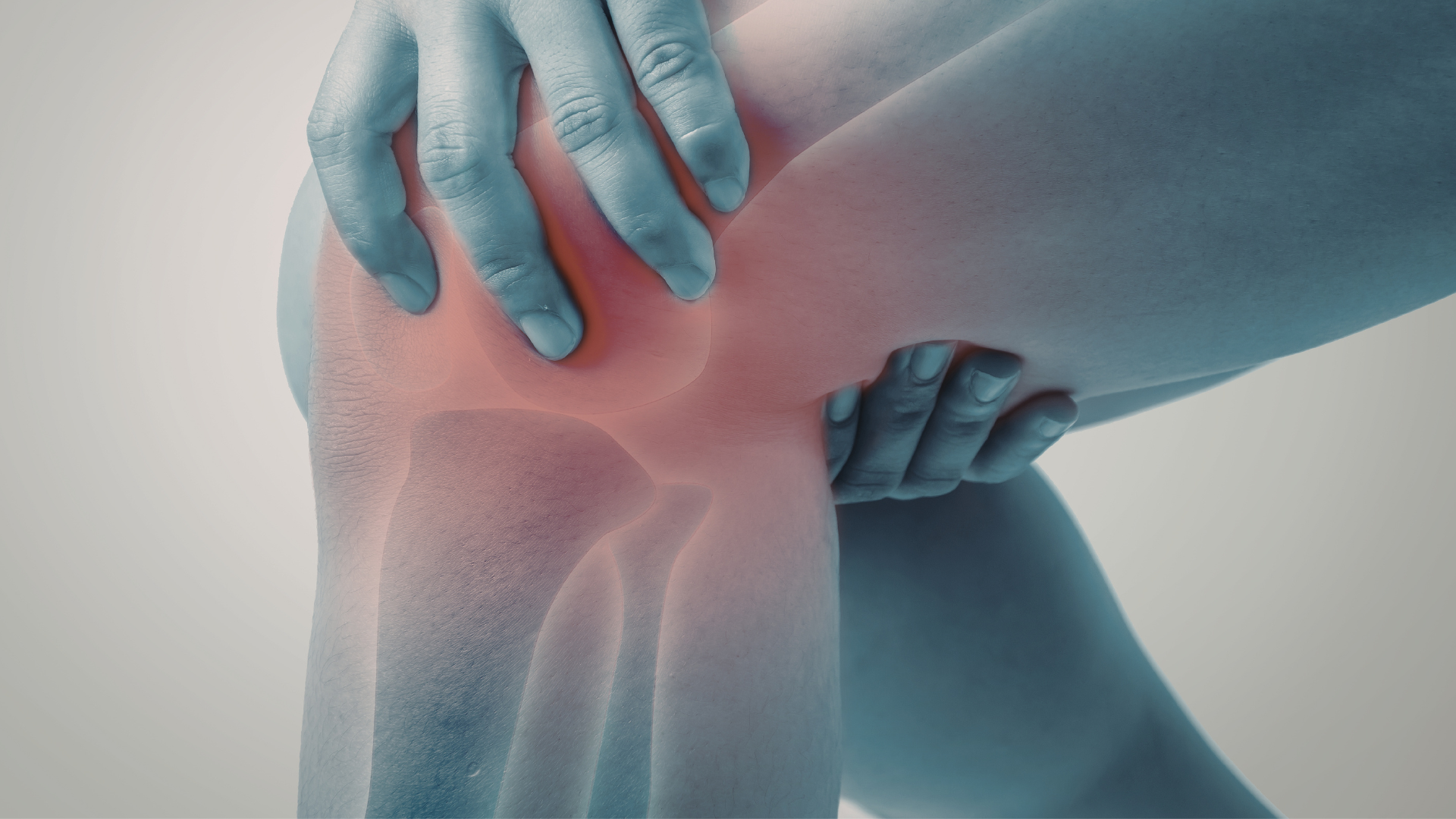
Joint pain affects millions of individuals each year, limiting mobility, reducing quality of life, and often leading to invasive surgical interventions when conservative approaches fall short. At his NYC clinic, Dr. Richard Nahas offers a progressive, evidence-informed approach to joint pain that combines diagnostic precision, targeted interventional procedures, and regenerative techniques.
As the President of the North American Academy of Neural Therapy, he is an advocate for Blockage-Based Care as a historic medical advance. Dr Nahas helps patients find meaningful relief by targeting not just the joint itself, but also the other tissues above and below the joint that may be creating tension in fascia, pulling it out of alignment. t.
Mechanism and Benefits of Clinic-Administered Trigger Point Injections for Joint Discomfort
Trigger point injections are commonly associated with muscle pain, but their application extends to joint pain when sensitized nerves or restrictions in fascia are contributing to joint dysfunction. Dr. Richard Nahas uses precise palpation techniques to identify specific areas of fascial tension that may be altering biomechanics around the affected joint.
When combined with injections of low-dose dextrose or local anesthetics, these treatments can release tight tissue, reduce referred pain, and restore healthy movement patterns. This process not only targets the symptoms but also addresses contributing dysfunctions that may have originated from previous injuries or surgeries. Unlike corticosteroid injections, which may suppress inflammation temporarily but can degrade tissue over time, dextrose-based therapies support tissue repair while minimizing side effects.
When Radiofrequency Ablation Is Recommended for Persistent Joint Pain
In some cases, joint pain stems from inflamed or irritated nerves surrounding the joint capsule. Accurate identification of these nerves is essential for achieving long-term relief. Once confirmed, radiofrequency (RF) ablation can be used to disrupt the pain signal for an extended period, often providing relief for six months or more. This procedure is beneficial for individuals experiencing chronic joint pain in the knee, hip, or spine. RF ablation is a minimally invasive procedure performed under image guidance to ensure precision. In situations where inflammation is a contributing factor, corticosteroids may also be used temporarily to reduce nerve irritation before ablation or as part of a broader treatment plan.
How Regenerative Therapies (PRP and Stem Cells) Support Long-Term Joint Recovery
For patients seeking non-surgical or less invasive solutions that go beyond symptom management, regenerative therapies such as platelet-rich plasma (PRP) and stem cell injections offer promising outcomes. PRP therapy involves concentrating a patient’s own platelets and injecting them into the affected joint to stimulate tissue repair. Growth factors in PRP promote healing of cartilage, tendons, and ligaments, making it ideal for early to moderate osteoarthritis or chronic injury pain recovery.
For more advanced degeneration or when a more robust healing response is needed, stem cells harvested from bone marrow or adipose tissue (fat) can be introduced. These cells support the regeneration of damaged tissues and may delay or prevent the need for joint replacement surgery.
Notably, Dr. Nahas emphasizes that regenerative treatments are often most effective when combined with neural therapy using a Blockage-Based approach. This means first addressing sensitized nerves and restrictions in fascia that can act like “blockages”, pulling bones out of alignment and creating abnormal mechanical stress on joints. By correcting these imbalances before or alongside regenerative procedures, patients may experience greater symptom relief and improved joint function.
Supporting Comprehensive Joint Pain Treatment with a Whole-Body Perspective
Joint pain is rarely just a matter of the joint. From old sports injuries to post-surgical scarring, the body holds onto trauma in complex ways. Dr. Nahas’s approach involves evaluating not just the joint but the entire myofascial chain, including muscle tension patterns, prior injury sites, and even central nervous system sensitization.
This comprehensive assessment guides the development of a treatment plan that is both individualized and highly strategic. For many patients, this may include not only interventional procedures but also neuropathic pain treatment, rehabilitation exercises, and guided self-care strategies that extend results beyond the clinic.
Experience a Personalized Approach to Lasting Joint Pain Relief in NYC
Dr. Richard Nahas offers a new approach to interventional joint pain care, one that is rooted in precision, regeneration, and a profound understanding of the body’s interconnected systems. Whether you’re dealing with arthritis, sports injuries, or long-standing pain that hasn’t responded to conventional therapies, his integrative model provides the clarity and support needed to heal.