
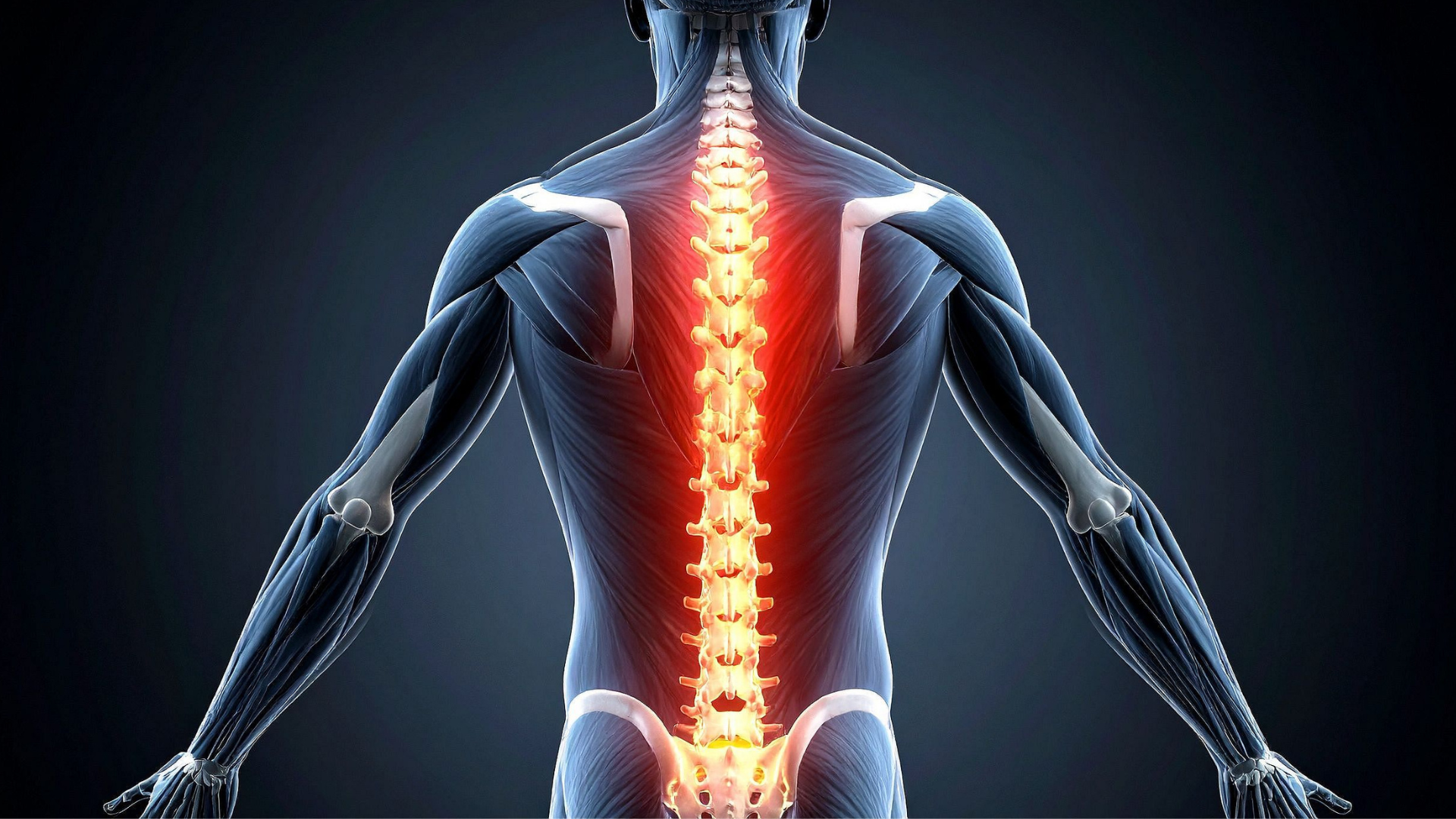
Back and neck pain are increasingly common among surgeons, whether they perform open, laparoscopic or robotic-assisted procedures. Extended hours in static positions, poor ergonomics, and repetitive movements can create chronic strain throughout the spine, shoulders, and core. This pain can be reduced or eliminated by targeting prior injuries and scars, a novel approach that also promises to improve surgical outcomes. .
Dr. Richard Nahas is a Canadian MD who has established a Manhattan office to bring neural therapy to US healthcare. Neural therapy is a promising therapeutic approach, targeting significant lesions that are not yet recognized by biomedical science. He has established a clinical focus on post-surgical pain to create awareness among surgeons of this important potential medical advance.
To support this goal, he has created the BodyMap, a personalized report that summarizes a lifetime of injuries and scars for each individual patient. . Using a palpation-guided approach, he can identify sensitized nerves and restrictions in fascia that can persist after physical trauma, surgical procedures, and other causes of tissue injury. These palpable points, and the lines that connect them, create tension, inflammation, and stress, acting as disturbance fields in the immune, endocrine and other regulatory systems of the body.
What the BodyMap Approach Reveals About Surgeon-Specific Pain Patterns
The Personalized BodyMap is a structured, physician-designed assessment that yields a report documenting and mapping a lifetime history of injuries, traumas, and tissue insults onto a body diagram.
Surgeons face a unique set of mechanical and physiological stressors. Prolonged standing and static postures lead to restricted blood flow, muscular fatigue, and fascial tension that gradually build into chronic pain. Dr. Nahas has observed that many of these patterns are linked not just to repetitive strain, but also to blockages, small areas in the fascia and nervous system that remain sensitized from previous trauma.
By mapping these regions across the entire body, the BodyMap enables the identification of how local tissue dysfunctions can trigger pain in distant areas. This broader, interconnected view allows for highly targeted treatment planning, revealing relationships between long-forgotten injuries and ongoing musculoskeletal symptoms.
For surgeons, this can be a transformative experience, as they see how their own experiences often mean connecting prior events, such as orthopedic injuries, falls, or surgical scars, are linked to the pain they now experience in the operating room. This new awareness and understanding can help them improve outcomes for their patients, giving them an approach to manage patients with post-surgical pain and related complications.
How BodyMap Data Guide Precision Interventions
The BodyMap doesn’t just describe a patient’s pain; it guides the next steps in their care. Using the data gathered from each assessment, Dr. Nahas develops a personalized interventional strategy, targeting injections to the patient’s unique blockages and pain generators.
For surgeons and other healthcare professionals, this may include:
- Neural Therapy: Using precise injections of local anesthetics or dextrose to calm sensitized nerves and reduce chronic sympathetic activation.
- Myofascial Release: Targeting areas where scar tissue or tension limits mobility and contributes to pain.
- Regenerative Injections: Employing platelet-rich plasma (PRP) or stem cell therapy to restore healthy tissue function and reduce inflammation.
- Guided Stretching and Rehabilitation: Teaching patients to engage in self-directed mobility exercises that maintain long-term improvement.
By targeting the nervous system and the myofascial network, this BodyMap–driven treatment model provides more than temporary relief. It helps reset dysfunctional feedback loops in the body that perpetuate stress, inflammation, and muscle tightness, particularly in physicians whose work demands sustained concentration and precision.
What Recovery Outcomes Surgeons Can Expect from a BodyMap–Driven Plan
Many surgeons who undergo this approach report immediate changes in how their bodies feel and move. Pain often decreases after the first session, and mobility improves as fascial restrictions are released. However, the long-term benefits extend beyond pain relief.
Because the BodyMap identifies the deeper physiological patterns contributing to stress and dysfunction, treatment can also improve sleep, energy, posture, and focus. In some cases, it even enhances surgical performance by improving comfort during procedures and reducing physical fatigue.
Benefits of a BodyMap–Guided Recovery Plan:
- Reduction in chronic back, neck, and shoulder pain
- Greater flexibility and range of motion during operations
- Improved focus, stamina, and ergonomics
- Enhanced body awareness and stress resilience
- Support for long-term musculoskeletal health and career longevity
For physicians accustomed to pushing through discomfort, this integrative, evidence-informed model offers a sustainable path toward both recovery and prevention.
Reclaim Function and Focus with Dr. Richard Nahas
Surgeons dedicate their lives to healing others, but their own physical health is equally essential to their performance and well-being. Using neural therapy and the BodyMap, Dr. Richard Nahas helps operating physicians identify, understand, and treat the hidden sources of chronic pain that conventional medicine often overlooks.
If you’re a surgeon experiencing persistent back or neck pain, it’s time to explore an approach designed for the physical realities of your work.