
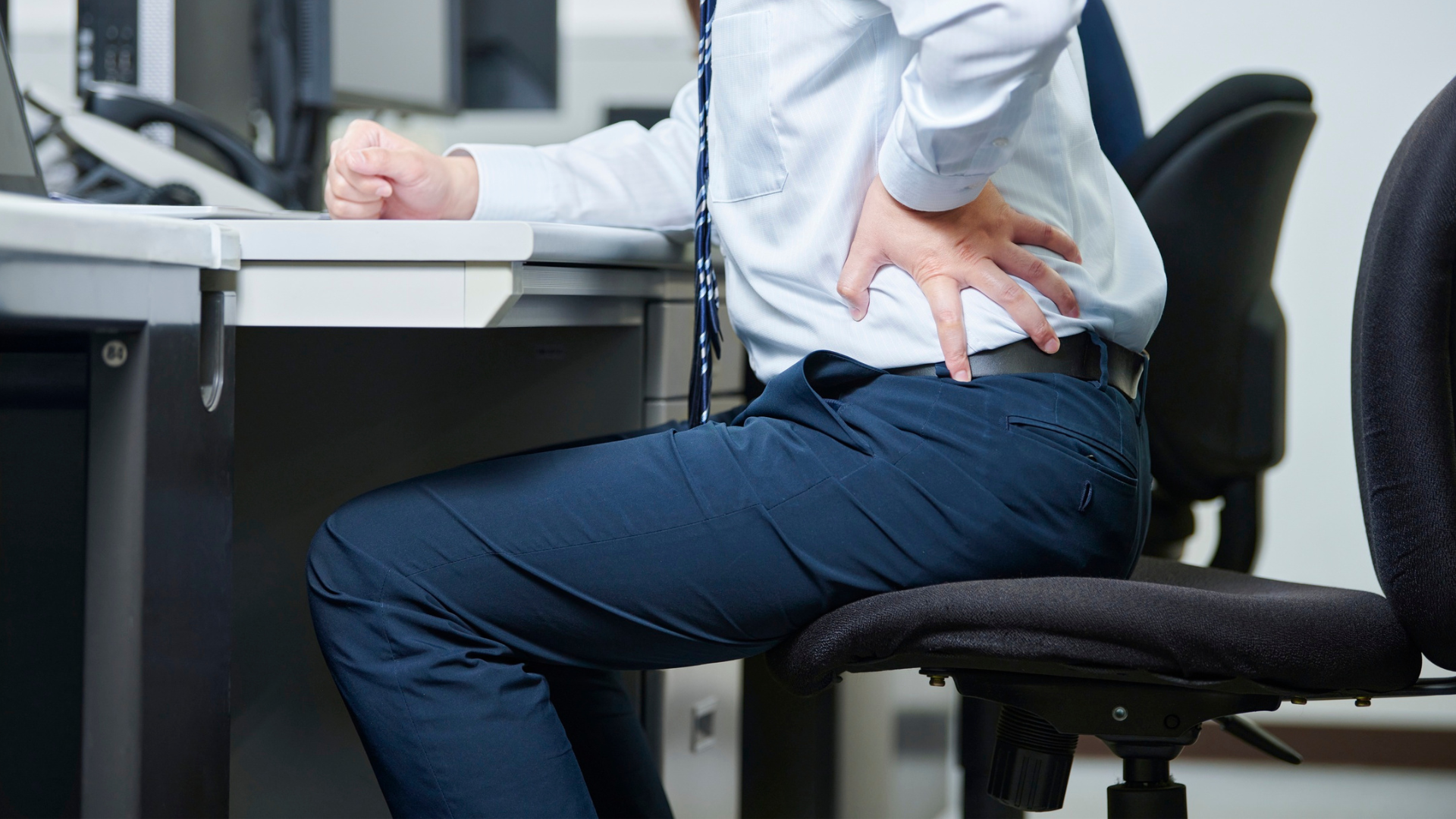
Occupational back pain is a growing concern among healthcare professionals, especially surgeons. Prolonged hours in the operating room, repetitive motions, and poor ergonomics can lead to chronic discomfort that worsens over time. Dr. Richard Nahas offers targeted, interventional solutions designed to address the underlying causes of back pain in surgeons, enabling them to maintain optimal performance and avoid long-term disability.
Chronic Back Pain in Surgeons: Why Interventional Pain Treatment Works
Surgeons work in demanding physical environments that place significant strain on their bodies. Long hours spent standing, awkward postures during open, laparoscopic or robotic-assisted procedures, and insufficient rest and recovery time contribute to high rates of musculoskeletal injuries in the surgical profession. Research has identified chronic neck, shoulder, and low back pain as the most common forms of occupational disability among surgeons.
Unlike patients, surgeons often cannot take extended breaks to recover. The pressure to continue performing can lead to cumulative damage. Dr. Nahas treats pain using neural therapy, a unique approach targeting not only the location of the pain, but also any area where prior injury may have created blockages – areas where sensitized nerves and restrictions in fascia can persist in any scar, after any tissue injury, including some surgical wounds.
Common Causes of OR-Related Back Pain:
- Sustained forward-leaning posture during long cases
- Repetitive arm elevation and instrument handling
- Inadequate ergonomic support during laparoscopic or robotic surgeries
- Blockages – silent, sensitized scar tissue or myofascial restriction from past injuries
By addressing these blockages and treating the body as a whole, Dr. Nahas provides a personalized and effective approach for healthcare professionals seeking long-term, sustainable relief.
Minimally Invasive Procedures for Surgeon-Specific Spinal Pain
At the core of Dr. Nahas’s work is Blockage-Based Care, a framework built around identifying specific tissue injuries that contribute to dysfunctional movement and chronic pain. His interventional approach includes peripheral nerve blocks and trigger point injections, and he uses neural therapy with other regenerative, functional and integrative medicine tools to ‘turn off’ the tension, inflammation and stress in these areas, restoring normal alignment and function in the spine and surrounding neural tissues.
These interventional pain treatment strategies are especially valuable for surgeons whose mobility and functionality directly impact their ability to perform in the OR.
“Our wounds are lesions that medicine forgot. If you are a surgeon in pain, do not suffer in silence.” – Dr. Richard Nahas.
How to Book an Interventional Pain Consultation for Occupational Relief
Surgeons experiencing recurring or worsening back pain should not wait for symptoms to become disabling. Early intervention can prevent long-term damage and restore function. Dr. Nahas employs a unique and novel physical examination and palpation technique to identify sensitized nerves and restrictions in fascia that are not visible on imaging studies. Once identified, targeted treatment can begin.
If you are unsure whether your symptoms warrant care, consider the following questions:
- Is your back pain persistent or worsening despite rest and self-care?
- Does pain limit your ability to perform or recover after long OR sessions?
- Have you noticed referred pain in unrelated areas, such as the shoulders or hips?
- Do you have old injuries or scars that may be impacting your posture or movement?
If you answered yes to any of these, you may benefit from a customized treatment plan built around your unique movement patterns and history of injury.
Book Surgeon-Specific Pain Treatment in NYC Today
Dr. Richard Nahas provides specialized care for healthcare professionals, including interventional therapies tailored to the demands of surgery. His approach addresses the physical and functional needs of working surgeons, helping them regain strength, reduce pain, and prevent further injury.