
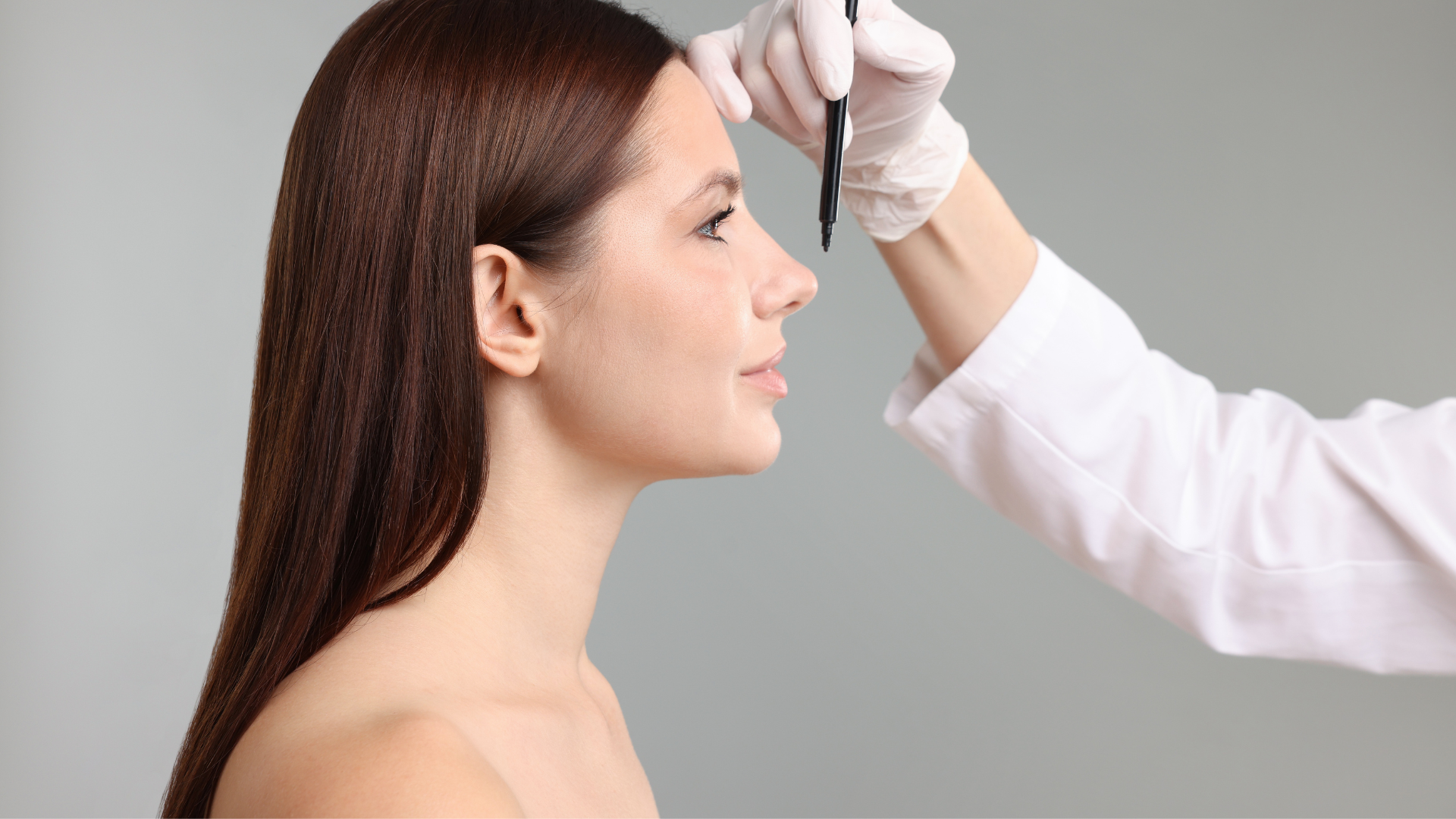
Post-Surgical Pain After Plastic Surgeries
Dr. Richard Nahas is a Canadian MD who has established a Manhattan office to bring neural therapy to US healthcare. Neural therapy is a promising therapeutic approach that targets significant lesions not yet recognized by biomedical science. He has established a clinical focus on post-surgical pain to raise surgeons’ awareness of this important potential medical advance.
Plastic surgery is often elective and transformative. Procedures such as facelifts, breast augmentation, tummy tucks, and liposuction are designed to improve appearance and confidence. Most patients recover as expected. However, some individuals develop post-surgical pain that persists long after visible healing has occurred. When cosmetic results are satisfactory, but discomfort remains, patients may feel uncertain about where to turn.
Dr. Richard Nahas provides advanced post-surgical pain treatment for individuals who continue to experience symptoms after plastic surgery. His approach centers on neural therapy, Blockage-Based Care, and a comprehensive evaluation using a Personalized BodyMap. By identifying hidden fascial and neural restrictions, he works to uncover pain generators that may not appear on imaging studies.
Why Pain Can Persist After Plastic Surgery
Post surgical pain after cosmetic or reconstructive procedures is often related to subtle tissue and nerve changes. Contributing factors may include:
- Nerve traction, stretching, or compression during surgery
- Fascial disruption and tissue rearrangement
- Scar formation and adhesions
- Altered posture and muscular compensation
- Sensory nerve injury that may not appear on imaging
Nerve Traction, Stretching, or Compression During Surgery
Plastic surgery frequently involves repositioning skin and soft tissue. During this process, small sensory nerves may be stretched or temporarily compressed. Even if the nerve remains intact, altered signaling can persist. Patients may describe burning, tingling, or shooting pain near incision sites.
These changes are often microscopic and not visible on imaging. Careful clinical evaluation is required to identify the involved nerve structures.
Fascial Disruption and Tissue Rearrangement
Fascia forms a continuous network throughout the body. Procedures such as abdominoplasty or facelift involve lifting and repositioning fascial layers. While these layers are carefully repaired, subtle restrictions can remain.
Dr. Nahas employs a unique and novel physical examination and palpation technique to detect sensitized nerves and fascial restrictions that conventional tests may overlook. These areas can contribute to ongoing post surgical pain even when surgical outcomes appear successful.
Scar Formation and Adhesions
Scars are a normal part of healing. However, some scars become neurologically active. In neural therapy, scars are recognized as potential interference fields that may maintain abnormal nerve signaling. Even small cosmetic incisions can lead to persistent discomfort.
Altered Posture and Muscular Compensation
After surgery, patients often protect the treated area. This can change posture and muscle recruitment patterns. For example, breast surgery may alter shoulder positioning, while abdominal procedures can affect core activation. Over time, compensatory strain may lead to new areas of pain.
Sensory Nerve Injury That May Not Appear on Imaging
Small cutaneous nerves are frequently involved in cosmetic procedures. These nerves may become hypersensitive without showing structural damage on imaging studies. A detailed clinical examination is often more revealing than radiology alone.
How Plastic Surgery Can Lead to Pain Outside the Surgical Area
Plastic surgery not only affects the immediate treatment site. Because fascia and nerves connect distant regions, symptoms may appear in unexpected areas.
Common patterns include:
- Neck and upper back pain after facial procedures
- Chest, shoulder, or arm pain after breast surgery
- Abdominal, hip, or lower back pain after body contouring
- Headaches and nerve-related facial pain
Neck and Upper Back Pain After Facial Procedures
Facelift and neck lift procedures involve lifting tissues around the jaw and behind the ears. Tension in these areas can influence cervical muscles and upper back mechanics.
Chest, Shoulder, or Arm Pain After Breast Surgery
Breast augmentation or reduction changes the weight and contour of the chest wall. Surrounding muscles must adapt. Persistent chest tension can lead to shoulder or upper back discomfort.
Abdominal, Hip, or Lower Back Pain After Body Contouring
Abdominoplasty tightens abdominal tissues. This change can influence pelvic alignment and lumbar spine mechanics. Some patients notice hip or lower back pain months after surgery.
Headaches and Nerve-Related Facial Pain
Facial procedures may affect small sensory nerves. Patients may experience localized facial pain or postoperative headaches.
Post-Facelift and Facial Surgery Pain
Procedures such as facelifts, neck lifts, and brow lifts involve delicate manipulation of facial and cervical tissues. While cosmetic results may be excellent, some patients experience persistent discomfort.
Symptoms may include:
- Nerve irritation behind the ears
- Neck pain following facelift surgery
- Sensory changes or nerve-related facial pain
- Headaches or jaw tension after facial procedures
Nerve irritation behind the ears is a common complaint after rhytidectomy. These small nerves can remain sensitized within the scar.
Neck pain may develop due to fascial tightening or altered head posture. Even slight changes in tissue tension can influence cervical mechanics.
Sensory changes, such as numbness or tingling, may reflect alterations in nerve signaling rather than structural damage.
Post-Breast Surgery Pain
Breast procedures include:
- Breast augmentation
- Breast reduction
- Breast reconstruction
Persistent symptoms may involve:
- Chronic pain after breast augmentation
- Chest wall and rib pain
- Shoulder and upper back pain
- Nerve-related pain or altered sensation
- Pain related to implants or surgical scarring
Breast surgery can influence chest wall mechanics. Tightness in the pectoral region may limit shoulder mobility. Scar tissue along the inframammary fold or around the areola may contribute to localized nerve sensitivity.
In some cases, an altered posture after surgery can lead to upper back strain. Addressing only the implant or scar without evaluating the surrounding tissues may not resolve symptoms.
Post-Abdominoplasty and Body Contouring Pain
Body contouring procedures include:
- Tummy tuck or abdominoplasty
- Liposuction
- Other body contouring techniques
Patients may report:
- Abdominal wall and fascial pain
- Nerve entrapment after tummy tuck surgery
- Lower back or hip pain after abdominal procedures
- Pain with movement or core engagement
Abdominoplasty involves tightening the abdominal wall. This can alter how the core stabilizes the spine. Fascial restriction may produce tension that radiates into the lower back.
Nerve entrapment may occur along the incision line. Pain with movement or exercise often reflects deeper muscular involvement.
Post-Liposuction Pain
Although liposuction is considered minimally invasive, it still involves disruption of subcutaneous tissues.
Persistent symptoms may include:
- Pain that lingers beyond expected recovery
- Nerve irritation in treated areas
- Sensory changes and dysesthesia
Dysesthesia refers to abnormal sensations such as burning or tingling. These changes may indicate altered nerve signaling rather than structural damage.
Pain After Reconstructive Plastic Surgery
Reconstructive procedures may involve:
- Scar revision surgery
- Reconstruction following trauma or cancer
- Revision surgeries
Persistent symptoms may reflect:
- Complex scar-related pain
- Multiple surgical layers contribute to chronic pain
- Situations where revision surgery does not fully resolve discomfort
When multiple surgeries occur in the same region, layered scar tissue can create complex fascial and neural interactions. Each additional procedure may further alter tissue dynamics.
The Personalized BodyMap is a structured, physician-designed assessment that documents and maps a lifetime history of injuries, traumas, and tissue insults onto a body diagram. By mapping these regions across the entire body, it becomes possible to identify how local tissue dysfunction can trigger pain in distant areas.
How Interventional Pain Management Can Help After Plastic Surgery
At the core of Dr. Nahas’s work is Blockage-Based Care. This framework focuses on identifying specific tissue injuries that contribute to persistent symptoms.
His post surgical pain treatment approach may include:
- Identifying involved nerves and soft tissues through detailed examination
- Image-guided diagnostic injections to confirm the pain source
- Minimally invasive treatments for nerve pain
- Regenerative medicine options, when appropriate
- Neural therapy directed at scar-related interference fields
Peripheral nerve blocks and trigger point injections are used both diagnostically and therapeutically. Neural therapy works to regulate abnormal nerve signaling within scars and restricted tissues.
For individuals seeking post surgical pain treatment in NYC, Dr. Richard Nahas offers a comprehensive evaluation designed to uncover overlooked contributors to ongoing discomfort.
Restore Comfort After Plastic Surgery With Dr. Richard Nahas
If you continue to experience post surgical pain after facelift, breast surgery, tummy tuck, liposuction, or reconstructive procedures, a detailed evaluation may reveal hidden fascial and neural restrictions. Schedule a consultation with Dr. Richard Nahas to explore a personalized treatment plan grounded in neural therapy, Blockage-Based Care, and precise interventional techniques designed to restore balance and reduce chronic pain.