
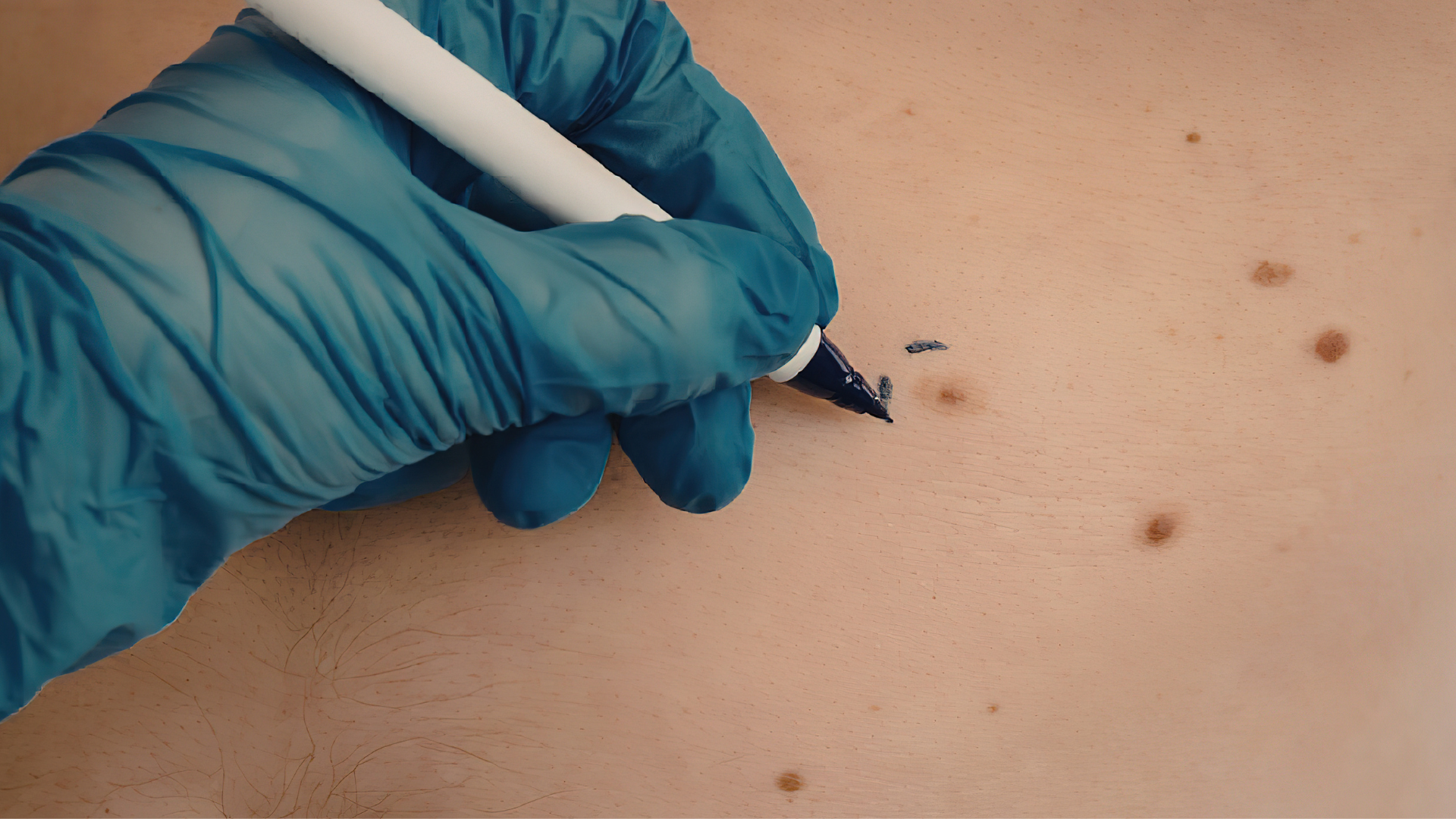
Persistent Pain After Minor Surgical Procedures
Dr. Richard Nahas is a Canadian MD who has established a Manhattan office to bring neural therapy to US healthcare. Neural therapy is a promising therapeutic approach that targets significant lesions not yet recognized by biomedical science. He has established a clinical focus on post-surgical pain to raise surgeons’ awareness of this important potential medical advance.
Minor surgical procedures are often described as simple, quick, or routine. Mole removal, cyst excision, ingrown toenail surgery, and small biopsies are commonly performed in office settings. Most patients heal without complication. However, a small but significant number of individuals develop persistent post-surgical pain after procedures that were expected to be minor.
When discomfort continues despite normal wound healing, patients are often told that everything looks fine. Imaging studies are rarely performed, and laboratory tests are typically unnecessary. Yet the pain is real. Dr. Richard Nahas provides specialized post-surgical pain treatment for individuals experiencing ongoing symptoms after minor procedures. His approach focuses on identifying hidden nerve irritation and fascial restriction through neural therapy and Blockage-Based Care.
Why Minor Procedures Can Still Cause Chronic Pain
Even small incisions can affect delicate nerve endings and connective tissue layers. Chronic pain after minor procedures is usually not due to major structural damage. Instead, it often reflects subtle tissue and neural changes.
Contributing factors may include:
- Superficial nerves can be easily irritated or damaged
- Scar tissue formation even after small incisions
- Localized nerve entrapment
- Hypersensitivity at the incision site
- Pain that persists despite normal healing
Superficial Nerves Can Be Easily Irritated or Damaged
The skin contains a dense network of small sensory nerves. During even a small excision, these nerves may be cut, stretched, or compressed. While they typically regenerate or adapt, some become sensitized.
Sensitized nerves may produce burning, sharp, or electric sensations. These symptoms can continue long after the incision has closed.
Scar Tissue Formation Even After Small Incisions
Scar tissue develops as part of the healing process. Although minor procedures create small scars, the underlying fascial layers may still be affected. Scar tissue can restrict normal tissue glide and alter local mechanics.
In neural therapy, scars are recognized as potential interference fields. Even a small scar may maintain abnormal nerve signaling.
Localized Nerve Entrapment
As scar tissue matures, it may trap small nerve branches. Entrapment can cause persistent pain triggered by touch or movement. Because these nerves are microscopic, they are not visible on imaging studies.
Hypersensitivity at the Incision Site
Some patients experience ongoing sensitivity around the healed wound. Light contact, such as clothing brushing against the area, may provoke discomfort. This hypersensitivity reflects altered nerve signaling rather than infection or inflammation.
Pain That Persists Despite Normal Healing
When a wound appears healed, and there are no signs of infection, persistent pain may be dismissed. However, structural healing does not guarantee that neural regulation has returned to normal. Identifying these subtle dysfunctions is central to effective post surgical pain treatment.
How Small Procedures Can Lead to Ongoing or Radiating Pain
Pain after minor surgery is not always confined to the incision. Because nerves and fascia connect broader regions, symptoms may spread beyond the original site.
Patients commonly report:
- Localized burning or stabbing pain
- Sensitivity to touch or pressure
- Pain that radiates away from the scar
- Pain triggered by clothing, movement, or footwear
Localized burning may indicate superficial nerve irritation. Sensitivity to pressure often reflects scar-related tension.
Pain that radiates beyond the incision can occur when nerve pathways extend into adjacent areas. For example, a scar on the abdomen may influence the surrounding musculature.
Footwear-related discomfort after toenail surgery may reflect nerve involvement within the toe or forefoot.
Pain After Skin Procedures and Excisions
Common skin procedures include:
- Mole removal
- Skin lesion excision
- Cyst removal
- Dermatologic surgery
Although these procedures are brief, persistent symptoms may develop.
Patients may experience:
- Painful scars after mole removal
- Nerve irritation following skin excisions
- Hypersensitivity around healed incisions
- Pain that develops weeks or months later
Painful scars can feel tender long after the wound appears flat and closed. Nerve irritation may produce sharp or burning sensations.
Some individuals notice that pain begins weeks after the procedure. This delayed onset can occur as scar tissue matures and interacts with surrounding nerves.
Dr. Nahas uses detailed palpation techniques to identify sensitized regions that are not detectable through imaging.
Pain After Ingrown Toenail Procedures
Ingrown toenail treatment may involve:
- Partial or total toenail removal
- Chemical matrixectomy
These procedures are generally effective in resolving the original nail problem. However, persistent toe pain can develop.
Patients may report:
- Persistent toe pain after ingrown toenail surgery
- Nerve irritation in the toe or foot
- Pain with walking or wearing shoes
- Sensory changes following nail procedures
The toes contain small but highly sensitive nerves. Irritation in this confined space can produce disproportionate discomfort.
Altered gait due to toe pain may also lead to secondary strain in the foot or ankle.
Pain After Minor Soft Tissue Procedures
Minor soft tissue procedures include:
- Lipoma removal
- Small soft tissue mass excision
- Biopsy procedures
Even when these procedures are uncomplicated, localized nerve pain after minor procedures can occur.
Scar-related pain in soft tissue may be triggered by movement or pressure. For example, a scar near the shoulder may become painful when lifting the arm.
Localized tenderness often reflects subtle fascial restriction beneath the surface.
Pain After Cosmetic or Office-Based Procedures
Office-based cosmetic procedures, including small excisions and minor revisions, can also result in persistent discomfort.
Patients sometimes feel embarrassed seeking help for pain after a procedure considered minor. However, the intensity of pain is not determined by the size of the incision.
Blockage-Based Care recognizes that even minor tissue injuries can cause lasting neural disturbances.
The Personalized BodyMap is a structured, physician-designed assessment that documents and maps a lifetime history of injuries, traumas, and tissue insults onto a body diagram. By mapping these regions across the entire body, Dr. Nahas can identify how even minor scars may contribute to pain in distant areas.
How Interventional Pain Management Can Help After Minor Procedures
At the core of Dr. Nahas’s work is Blockage-Based Care, which focuses on identifying specific tissue injuries that contribute to chronic pain.
Post surgical pain treatment may include:
- Detailed examination to identify sensitized nerves
- Peripheral nerve blocks to confirm the pain source
- Trigger point injections for associated muscular tension
- Neural therapy directed at scar-related interference fields
- Regenerative approaches when appropriate
Neural therapy aims to regulate abnormal nerve signaling within scars and surrounding tissues. By addressing these interference fields, it may be possible to restore normal communication within the nervous system.
Peripheral nerve blocks serve both diagnostic and therapeutic purposes. If targeting a specific nerve reduces pain, it confirms the source and guides further treatment.
For individuals seeking post-surgical pain treatment in NYC, Dr. Richard Nahas provides a comprehensive, personalized approach that goes beyond symptom suppression.
Find Relief From Persistent Pain After Minor Procedures With Dr. Richard Nahas
If you continue to experience post surgical pain after mole removal, toenail surgery, cyst excision, or another minor procedure, a detailed evaluation may uncover hidden contributors. Schedule a consultation with Dr. Richard Nahas to explore a personalized treatment plan using neural therapy, Blockage-Based Care, and advanced interventional techniques designed to restore balance and reduce chronic pain.