
Post-Surgical Pain After Ovarian Surgery
Ovarian cyst removal, oophorectomy, and endometrioma excision are often performed laparoscopically, and because the incisions are small, ongoing pain afterward can feel confusing or easy to dismiss. But even minimally invasive surgery creates real tissue changes
Dr. Richard Nahas helps patients in New York City uncover and treat the nerve and fascial contributors that drive persistent pain after ovarian procedures.
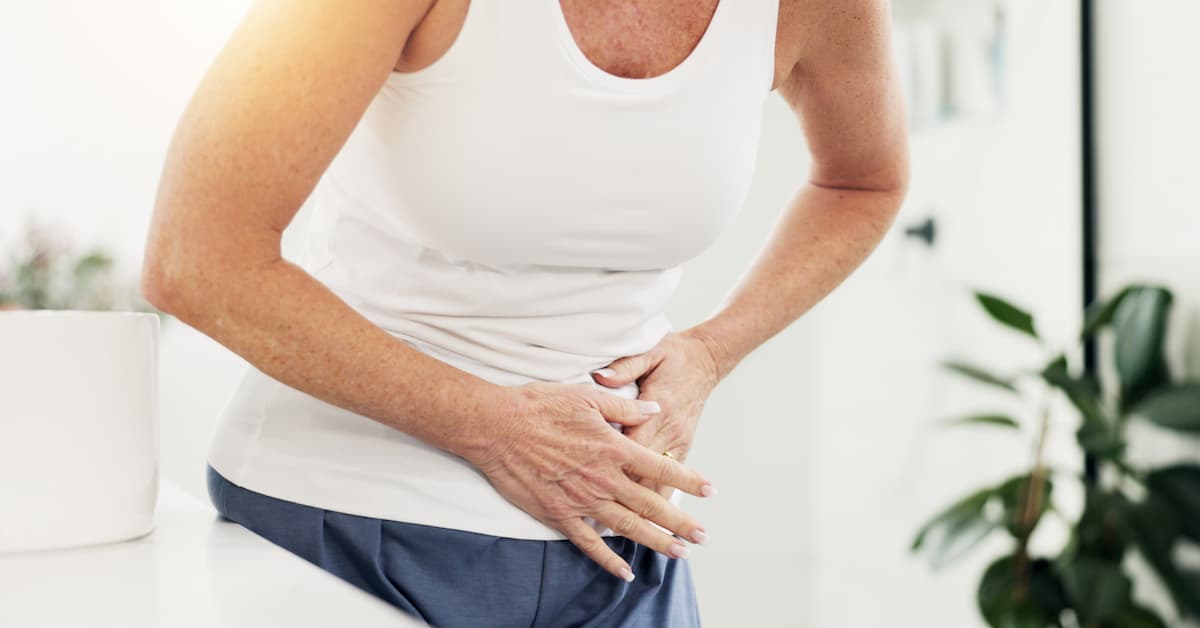

What you might be feeling
- Localized pelvic pain
- Tenderness at trocar sites
- Deep aching with movement
- Pain radiating into the hip or thigh
- Abdominal wall sensitivity
- Burning or sharp sensations near incisions
- Discomfort that feels unrelated to the ovary
Why the pain persists
Laparoscopic ovarian procedures involve trocar ports, instrument manipulation, and tissue removal in a delicate pelvic environment. Each of these steps can leave behind subtle but meaningful changes that become sources of chronic pain.
Trocar site nerve irritation
Small sensory nerves run through the abdominal wall at the exact locations where trocars are inserted. These nerves can be compressed, stretched, or caught in healing tissue, leading to ongoing burning or sharp pain at the port sites.
Adhesion formation
Any pelvic surgery can trigger adhesion formation between organs and surrounding tissue. These internal bands restrict normal movement and create deep, pulling discomfort that often worsens during activity.
Abdominal wall scar tissue
Even small incisions can develop scar tissue that alters muscle coordination in the abdominal wall. This disruption affects how the core moves and can generate pain well beyond the original surgical site.
Referred pain via shared nerve pathways
The pelvis and hip share overlapping nerve pathways. Irritation near the ovary or surgical site can produce symptoms in the hip, thigh, or groin areas that can seem entirely unrelated to the original procedure.
How Dr. Nahas approaches it
Dr. Nahas applies his Blockage-Based Care framework to map and treat the specific tissue injuries behind your symptoms. His focus is on finding the actual pain generator — whether that’s a sensitized trocar site, an adhesion, or a nerve pathway — rather than managing symptoms broadly.
- Scar & fascial assessment — Hands-on examination to locate sensitized nerves and restriction patterns in the abdominal wall and pelvic region.
- Neural therapy — Targeted injections at trocar sites and scar-related interference fields to normalize abnormal nerve signaling.
- Peripheral nerve blocks — Diagnostic and therapeutic injections to identify and treat sensitized nerves contributing to pelvic, hip, or thigh symptoms.
- Trigger point & regenerative tools — Restoring coordination and tissue balance in the abdominal wall and surrounding pelvic structures.

Still in pain after ovarian surgery?
Book Your Virtual or In Person Consultation
Small incisions don’t always mean small consequences. If you’re experiencing persistent pelvic, hip, or abdominal pain after ovarian surgery, a thorough evaluation may reveal contributors that imaging has missed. Dr. Nahas sees patients at his Manhattan office — no referral required.