
Post-Surgical Pain After Prolapse Repair
Pelvic organ prolapse repair is meant to restore function and relieve discomfort, but for some women, new or different pain develops after surgery. This isn’t a sign that something went wrong. It often reflects the complexity of repairing and reshaping the pelvic floor’s support structures.
Dr. Richard Nahas helps patients in New York City identify and treat the nerve and tissue changes that can drive persistent pain after prolapse repair.
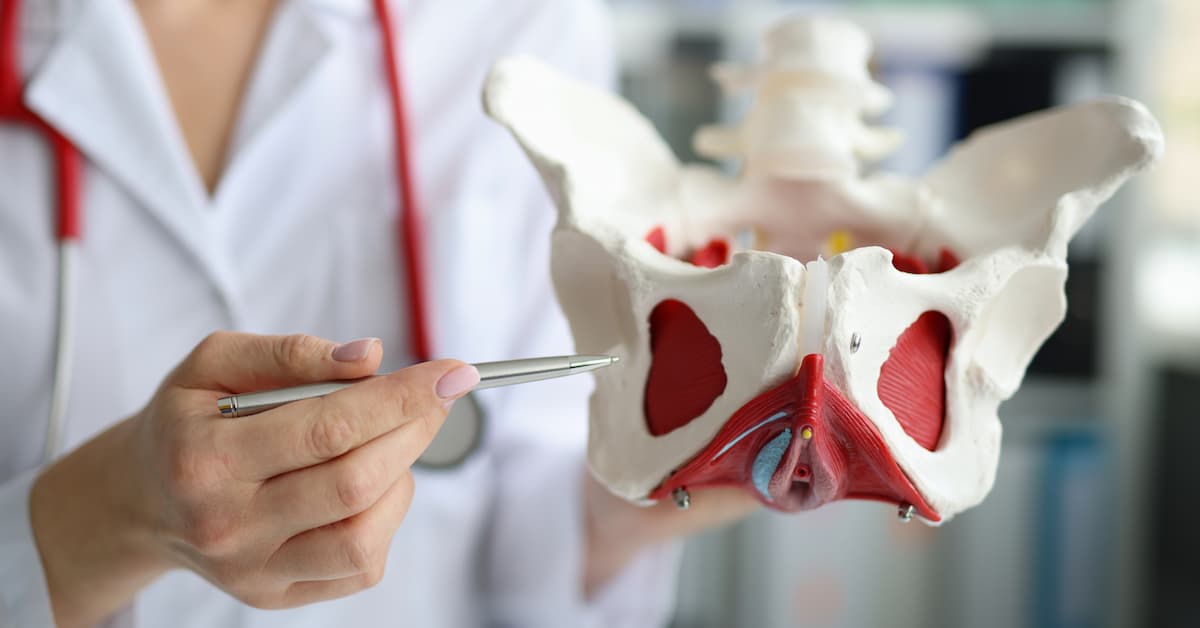

What you might be feeling
- Pelvic floor pressure or pain
- Lower back or hip discomfort
- Nerve-related pelvic symptoms
- Pain with sitting or prolonged activity
- Deep aching in the pelvis
- Tension or pulling at the surgical site
- Pain that feels different from pre-surgery symptoms
Why the pain persists
Prolapse repair restructures the support system of the entire pelvic floor, suspending, tightening, or reinforcing tissues that have lost their integrity. This is a significant intervention, and the tissue changes it creates can become independent sources of pain long after healing appears complete.
Altered pelvic floor tension
Repair procedures intentionally change the tension of pelvic support structures. In some cases, this new tension pattern creates ongoing pressure, pulling, or discomfort, particularly with sitting, activity, or changes in position.
Nerve irritation from sutures or mesh
Sutures and mesh used in prolapse repair can irritate or entrap nearby nerves as healing progresses. This produces localized burning, sharp pain, or hypersensitivity in the pelvic floor or surrounding tissue.
Scar tissue & fascial restriction
Surgical repair can result in scar tissue that can restrict movement in the pelvic floor and surrounding fascia. These restrictions alter biomechanics and can transmit tension into the hips, sacroiliac joints, and lower back.
Pelvic floor muscle guarding
The pelvic floor often responds to surgical intervention with protective muscle guarding. Over time, this guarding can become its own source of pain, independent of the original repair site.
How Dr. Nahas approaches it
Dr. Nahas understands that post-prolapse pain requires a careful, layered evaluation. His Blockage-Based Care framework focuses on identifying the specific tissue and nerve contributors to your symptoms, whether that’s a restricted fascia, a sensitized nerve, or a guarding pattern in the pelvic floor, and treating each one directly.
- Pelvic floor & fascial assessment — Hands-on examination to identify restriction patterns, nerve sensitization, and interference fields in the pelvic floor and surrounding structures.
- Neural therapy — Targeted injections at scar-related interference fields to normalize abnormal nerve signaling in the repaired pelvic tissue.
- Peripheral nerve blocks — To identify and treat sensitized nerves contributing to pelvic floor, hip, or lower back symptoms.
- Trigger point & regenerative tools — Addressing pelvic floor muscle guarding and restoring tissue balance in the broader pelvic region.


Still in pain after prolapse repair?
Book Your Virtual or In Person Consultation
Persistent pain after prolapse surgery deserves a thorough investigation, not reassurance that the repair was successful. Dr. Nahas offers specialized evaluations for women experiencing chronic symptoms after pelvic floor surgery at his Manhattan office, with no referral required.