
Post-Surgical
Pain After a Hysterectomy
A hysterectomy is one of the most common surgeries performed on women, but persistent pain afterward is rarely talked about. If pelvic discomfort, low back pain, or strange new symptoms have developed after your procedure, there’s often a structural reason.
Dr. Richard Nahas works with patients in New York City to identify and treat the underlying tissue and nerve contributors that keep pain alive after a hysterectomy.
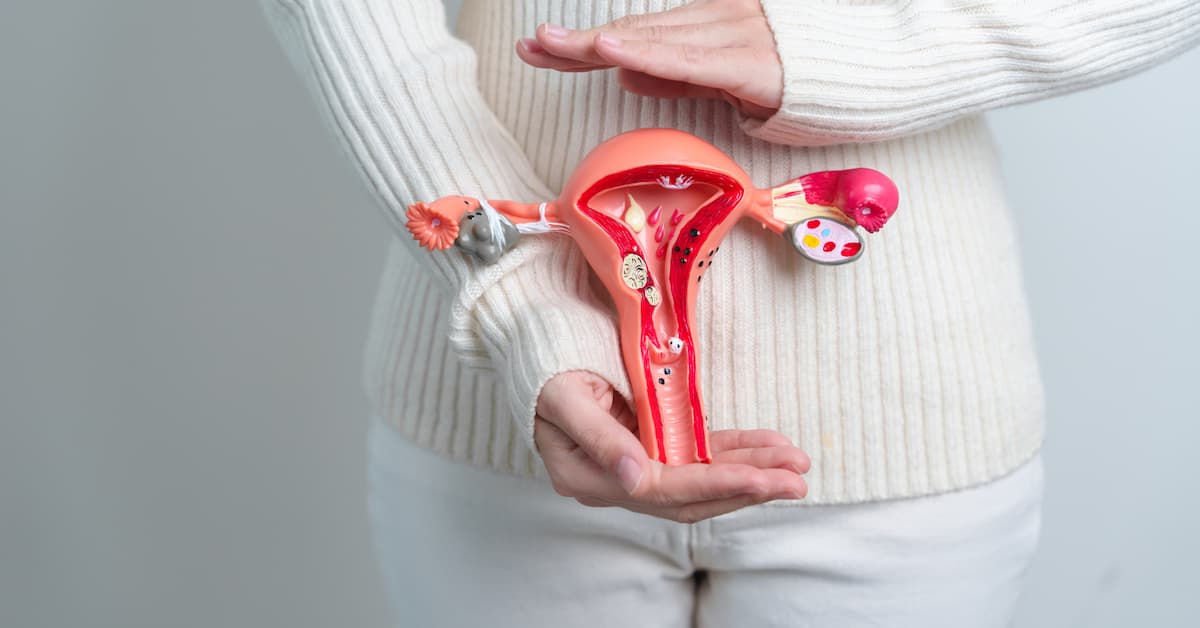

What you might be feeling
- Chronic pelvic pain or pressure
- Lower back aching
- Hip or sacroiliac joint pain
- Deep pulling or heaviness in the pelvis
- Abdominal wall tenderness
- Pain with movement or activity
- Nerve-related symptoms in the legs or groin
Why the pain persists
Whether performed openly or laparoscopically, a hysterectomy involves significant changes to the internal support structures of the pelvis. Even after full recovery, the body must adapt to the absence of the uterus, and that adaptation doesn’t always go smoothly.
Scar tissue & internal adhesions
Surgical healing can create adhesions between tissues that are meant to move freely. These internal restrictions can cause deep, pulling discomfort that worsens with activity or changes in position.
Altered pelvic support structures
Removing the uterus alters the distribution of internal tension throughout the pelvis. Surrounding structures, the pelvic floor, fascia, and ligaments, must compensate, sometimes creating new pain patterns.
Hip & sacroiliac joint strain
Fascial connections between the pelvis and hips can transmit tension from the surgical site outward. This is a common but overlooked source of post-hysterectomy hip and SI joint pain.
Nerve irritation from incision sites
Both open and laparoscopic approaches can affect small sensory nerves. These nerves may become sensitized or entrapped in scar tissue, producing ongoing discomfort at and around the incision.
How Dr. Nahas approaches it
Dr. Nahas uses Blockage-Based Care to evaluate how surgical scarring, fascial changes, and nerve disruption may be contributing to your symptoms. Rather than attributing pain to the hysterectomy itself, he looks for the specific tissue injuries driving it and treats those directly.
- Hands-on fascial assessment — Physical examination to identify restriction patterns and sensitized nerves not visible on imaging.
- Neural therapy — Targeted injections at scar-related interference fields to normalize abnormal nerve signaling in the pelvic region.
- Peripheral nerve blocks — To isolate and treat sensitized nerves contributing to pelvic, hip, or leg symptoms.
- Trigger point & regenerative tools — Addressing muscular compensation patterns and restoring tissue balance in the pelvic floor and lumbar region.
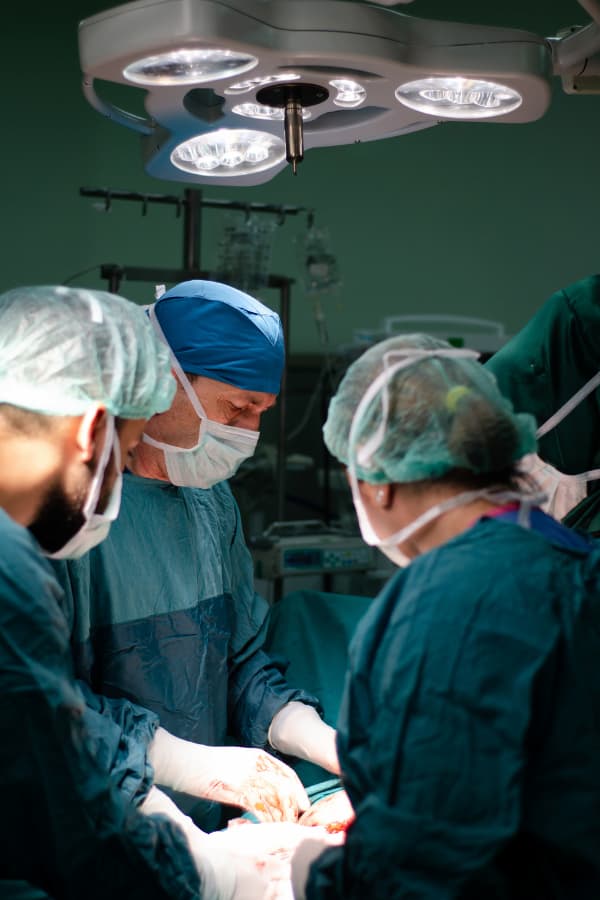

Still in pain after your hysterectomy?
Book Your Virtual or In Person Consultation
Persistent pain after a hysterectomy deserves a real explanation — not reassurance that everything looks normal. Dr. Nahas offers comprehensive evaluations at his Manhattan office for women experiencing chronic symptoms after gynecologic surgery. A personalized plan starts with a single consultation.