
Post-Surgical
Pain After a Myomectomy
A myomectomy removes uterine fibroids while preserving the uterus, but the procedure involves significant repair to the uterine wall and surrounding tissue. For some women, pain continues well beyond the expected recovery window
Dr. Richard Nahas helps patients in New York City identify the scar tissue, nerve changes, and fascial restrictions that can keep pain alive long after a myomectomy.
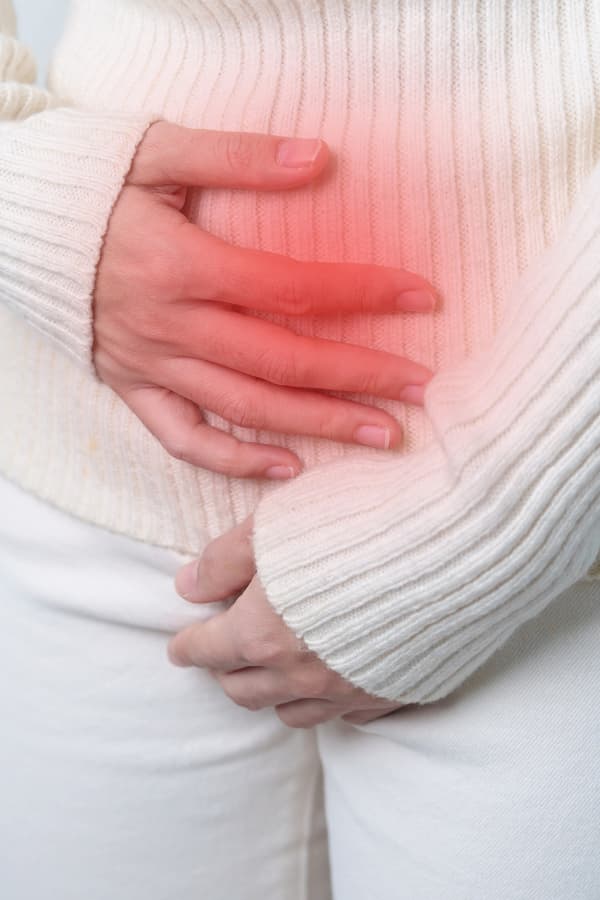
What you might be feeling
- Abdominal wall tightness or pulling
- Deep pelvic aching
- Scar-related nerve sensitivity
- Lower back pain after surgery
- Discomfort with movement or exercise
- Pelvic pressure or heaviness
- Incision site tenderness
Why the pain persists
Myomectomy, whether open or laparoscopic, requires cutting into the uterine wall to remove fibroids, then carefully repairing the tissue. This level of intervention creates multiple layers of healing, each of which can become a source of ongoing discomfort.
Uterine & abdominal wall scar tissue
Repair of the uterine wall can result in scar tissue that extends into the surrounding fascia and abdominal layers. These restrictions alter how the core and pelvis move, creating tension that irritates nearby nerves.
Adhesion formation
Myomectomy carries a higher risk of adhesion formation than many other gynecologic procedures. Internal adhesions between the uterus, bowel, or pelvic wall can cause deep, pulling pain that worsens with movement or activity.
Nerve irritation at incision sites
Sensory nerves in the abdominal wall can become sensitized or entrapped during healing, especially with larger open incisions. This produces localized burning, sharpness, or hypersensitivity at and around the scar.
Core & pelvic biomechanical changes
Protecting the abdomen after surgery alters posture and muscle activation patterns. Over time, these compensatory changes can create secondary strain in the lower back, hips, and pelvic floor.
How Dr. Nahas approaches it
Dr. Nahas uses his Blockage-Based Care framework to evaluate the full picture of tissue and nerve changes following myomectomy. His approach targets the specific contributors to your symptoms, rather than applying a one-size-fits-all pain management protocol.
- Scar & fascial assessment — Hands-on examination to identify sensitized nerves, restriction patterns, and interference fields in the abdominal wall and pelvis.
- Neural therapy — Targeted injections at scar-related interference fields to normalize abnormal nerve signaling in the uterine and abdominal wall region.
- Peripheral nerve blocks — Diagnostic and therapeutic injections to isolate and treat sensitized nerves contributing to pelvic or abdominal symptoms.
- Trigger point & regenerative tools — Restoring tissue balance and addressing compensatory muscle dysfunction in the core and pelvic region.

Still in pain after your myomectomy?
Book Your Virtual or In Person Consultation
Persistent pain after fibroid removal deserves more than a wait-and-see approach. Dr. Nahas offers thorough evaluations for women experiencing chronic symptoms after myomectomy at his Manhattan office — no referral required.