
Post-Surgical Pain After a C-Section
A cesarean delivery is major surgery, and for some women, the pain doesn’t end with recovery. If you’re still experiencing discomfort months or even years after your C-section, you’re not imagining it.
Dr. Richard Nahas helps patients in New York City identify and treat the hidden tissue and nerve changes that keep post-C-section pain alive long after the incision has closed.
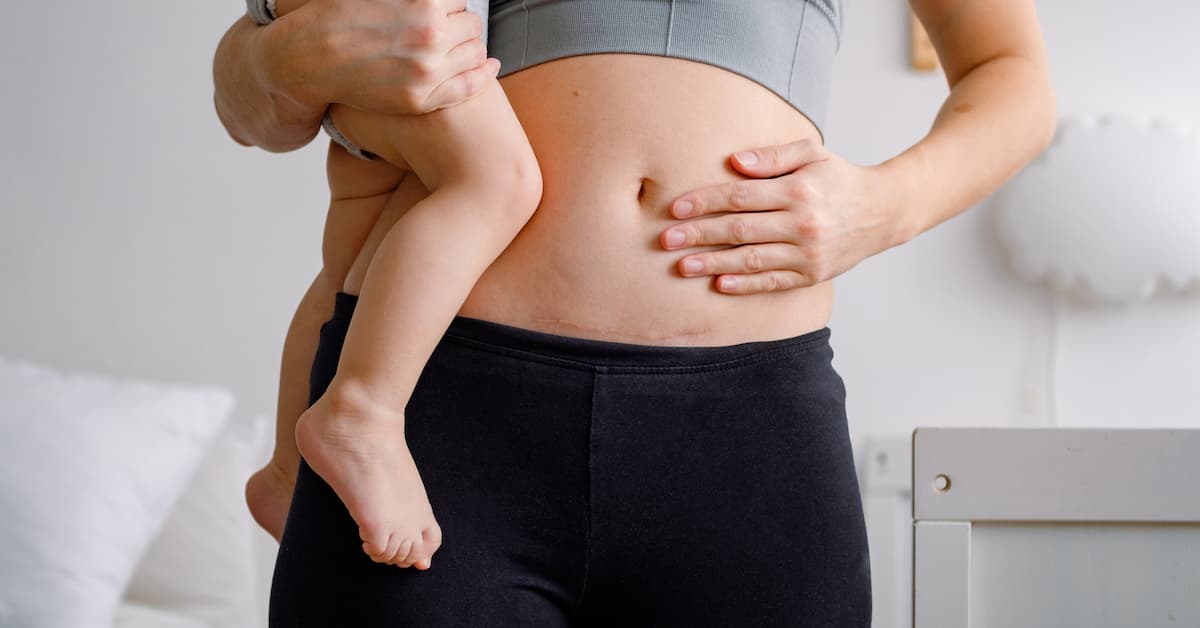
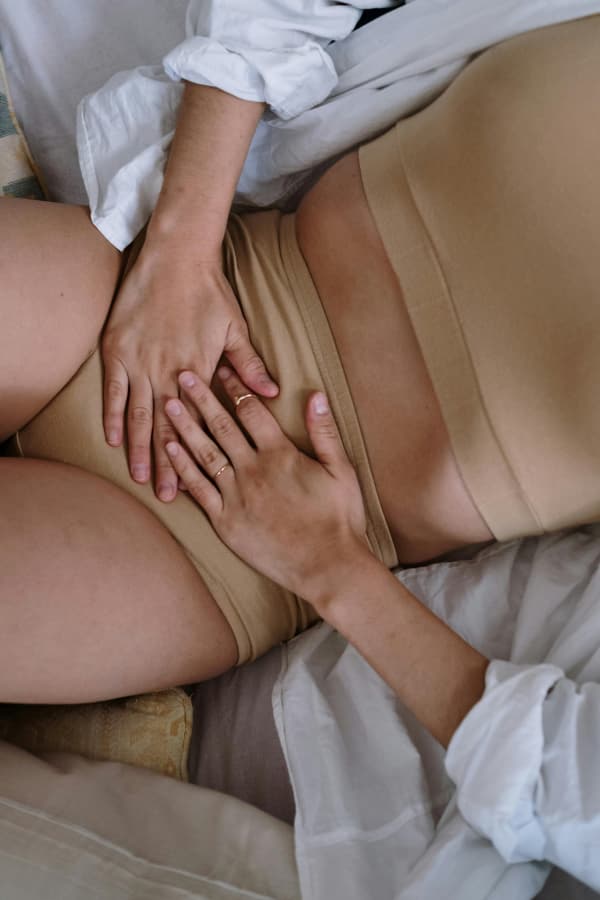
What you might be feeling
- Tightness or pulling along the incision
- Sharp pain with clothing contact
- Deep pelvic aching
- Lower back pain that started after delivery
- Sensitivity to light touch near the scar
- Electric or burning sensations
- Abdominal weakness or instability
Why the pain persists
Many women continue to experience pain long after their surgical site appears healed, even when imaging and lab results are normal. Here are the most common reasons discomfort lingers:
Scar tissue & fascial restriction
The incision site can develop internal scar tissue that extends beyond the skin into deeper fascial layers. These restrictions create tension patterns that irritate surrounding nerves and alter how the abdomen moves.
Nerve irritation at the scar
Small sensory nerves in the abdominal wall can become trapped in scar tissue during healing. This leads to burning, sharp, or unpredictable pain, often triggered by clothing, touch, or movement.
Pelvic & lower back strain
Changes in core stability during pregnancy, combined with surgical healing, can create new stress patterns in the lower back and pelvis. The body compensates, but that compensation often creates its own pain over time.
Persistent nerve signaling
From a neural therapy perspective, scars can act as interference fields, areas that maintain abnormal nerve signaling long after visible healing. This is one reason pain can persist months or years after a C-section.
How Dr. Nahas approaches it
Dr. Nahas uses a framework called Blockage-Based Care to identify the specific tissue injuries driving your symptoms, rather than simply treating surface pain. His approach focuses on finding the true source and treating it directly.
- Scar & fascial assessment — A hands-on physical examination to identify sensitized nerves and fascial restrictions not visible on imaging.
- Neural therapy — Targeted injections directed at scar-related interference fields to regulate abnormal nerve signaling.
- Peripheral nerve blocks — Diagnostic and therapeutic injections to identify and treat sensitized nerves near the incision site.
- Trigger point & regenerative tools — Addressing muscular dysfunction and restoring tissue balance in the abdominal wall and pelvic region.

Still in pain after your C-section?
Book Your Virtual or In Person Consultation
You don’t have to accept chronic pain as part of motherhood. Dr. Nahas sees patients at his Manhattan office and offers comprehensive evaluations for women experiencing persistent post-C-section symptoms. A personalized plan starts with a single consultation.