
Post-Surgical Pain After Diagnostic Laparoscopy
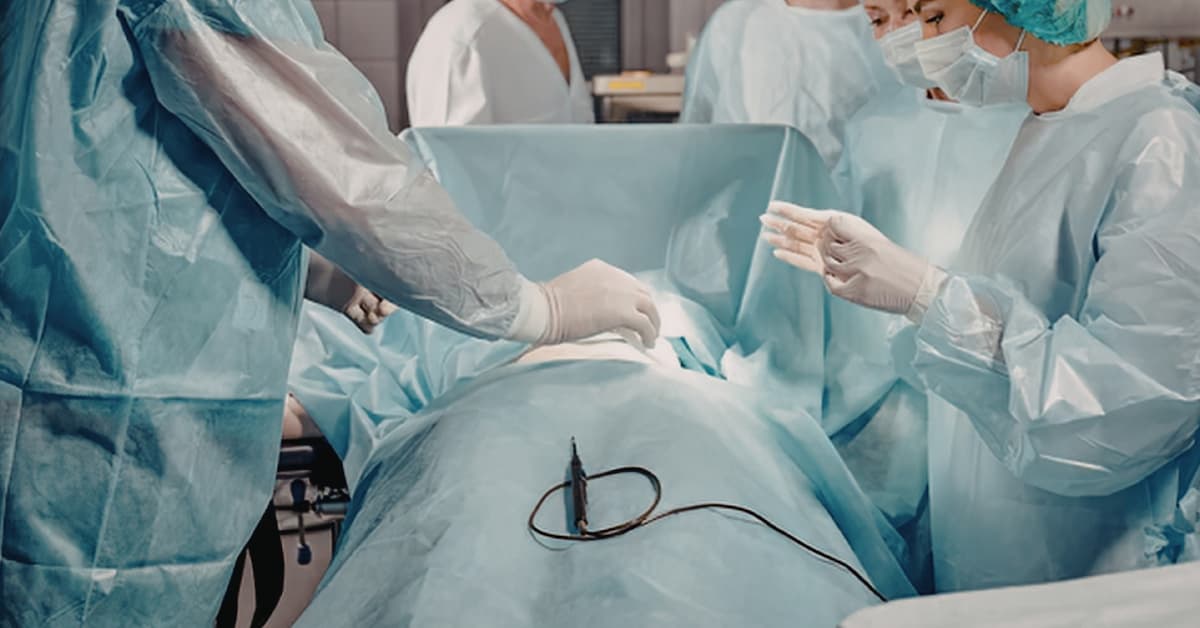
Diagnostic laparoscopy is minimally invasive, but “minimally invasive” doesn’t mean without consequence. For some women, persistent pelvic or abdominal pain develops after the procedure, even when nothing significant was found.
This can feel particularly confusing. Dr. Richard Nahas helps patients in New York City understand and treat the nerve and tissue changes that can cause lasting pain after diagnostic laparoscopy.

What you might be feeling
- Trocar site nerve pain
- Abdominal wall sensitivity or burning
- Referred pelvic discomfort
- Sharp pain near incision sites
- Pain that began after the procedure
- Lower abdominal tightness
- Discomfort with movement or pressure
Why the pain persists
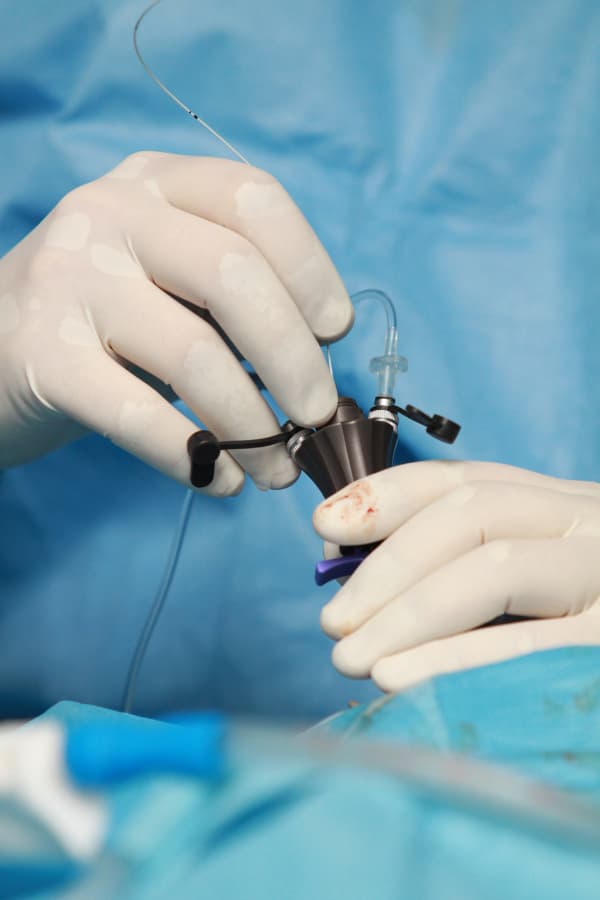
The paradox of diagnostic laparoscopy is that it’s performed to find the source of pain, but can sometimes become one. Even without therapeutic intervention, the process of inserting trocars, insufflating the abdomen, and manipulating instruments can cause real tissue changes that can persist and generate ongoing symptoms.
Trocar site nerve entrapment
Small sensory nerves in the abdominal wall run directly through the areas where trocars are placed. Even brief compression or stretching during a diagnostic procedure can leave these nerves sensitized, producing sharp, burning, or persistent pain at the port sites.
Fascial restriction from port placement
Trocar insertion punctures multiple layers of abdominal fascia. As these layers heal, localized restrictions can develop, altering abdominal wall mechanics and creating tension patterns that irritate surrounding nerves.
Scar tissue at incision sites
Even small laparoscopic incisions can develop scar tissue that acts as an interference field, maintaining abnormal nerve signaling long after the skin has closed. This is a frequently overlooked contributor to post-laparoscopy pain.
Referred pain from pelvic nerve irritation
Instrument movement within the pelvis during diagnostic procedures can irritate nerves whose pathways extend into the groin, hip, or thigh. Symptoms in these areas may appear unrelated to the laparoscopy but often trace directly back to it.
How Dr. Nahas approaches it
When imaging is normal, and the diagnostic procedure found nothing, patients are often left without answers. Dr. Nahas’s Blockage-Based Care framework is specifically designed for situations like this, finding the overlooked tissue and nerve contributors that conventional evaluation misses.
- Scar & fascial assessment — Hands-on examination to identify trocar site sensitization, fascial restrictions, and interference fields in the abdominal wall.
- Neural therapy — Targeted injections at scar-related interference fields to normalize abnormal nerve signaling at port sites and surrounding tissue.
- Peripheral nerve blocks — To isolate and treat sensitized abdominal wall or pelvic nerves contributing to persistent symptoms.
- Trigger point & regenerative tools — Restoring tissue balance and resolving compensatory tension patterns in the abdominal wall and pelvis.

Still in pain after diagnostic laparoscopy?
Book Your Virtual or In Person Consultation
Being told nothing was found doesn’t mean nothing is wrong. Dr. Nahas specializes in uncovering the hidden contributors to post-surgical pain that standard imaging and testing miss. He sees patients at his Manhattan office, no referral required.