
Post-Surgical Pain After Gynecologic Surgeries
Many women continue to experience pain long after their surgical site appears healed — even when imaging and lab results are normal. Dr. Richard Nahas specializes in identifying the hidden contributors that conventional care often overlooks, including scar tissue, sensitized nerves, and fascial restrictions.
Common sources of persistent post-surgical pain include:
- Scar tissue and internal adhesions
- Fascial disruption in the abdominal and pelvic region
- Nerve irritation or entrapment at or near the incision site
- Altered biomechanics affecting the hips, low back, and core
- Central sensitization — when the nervous system itself becomes reactive
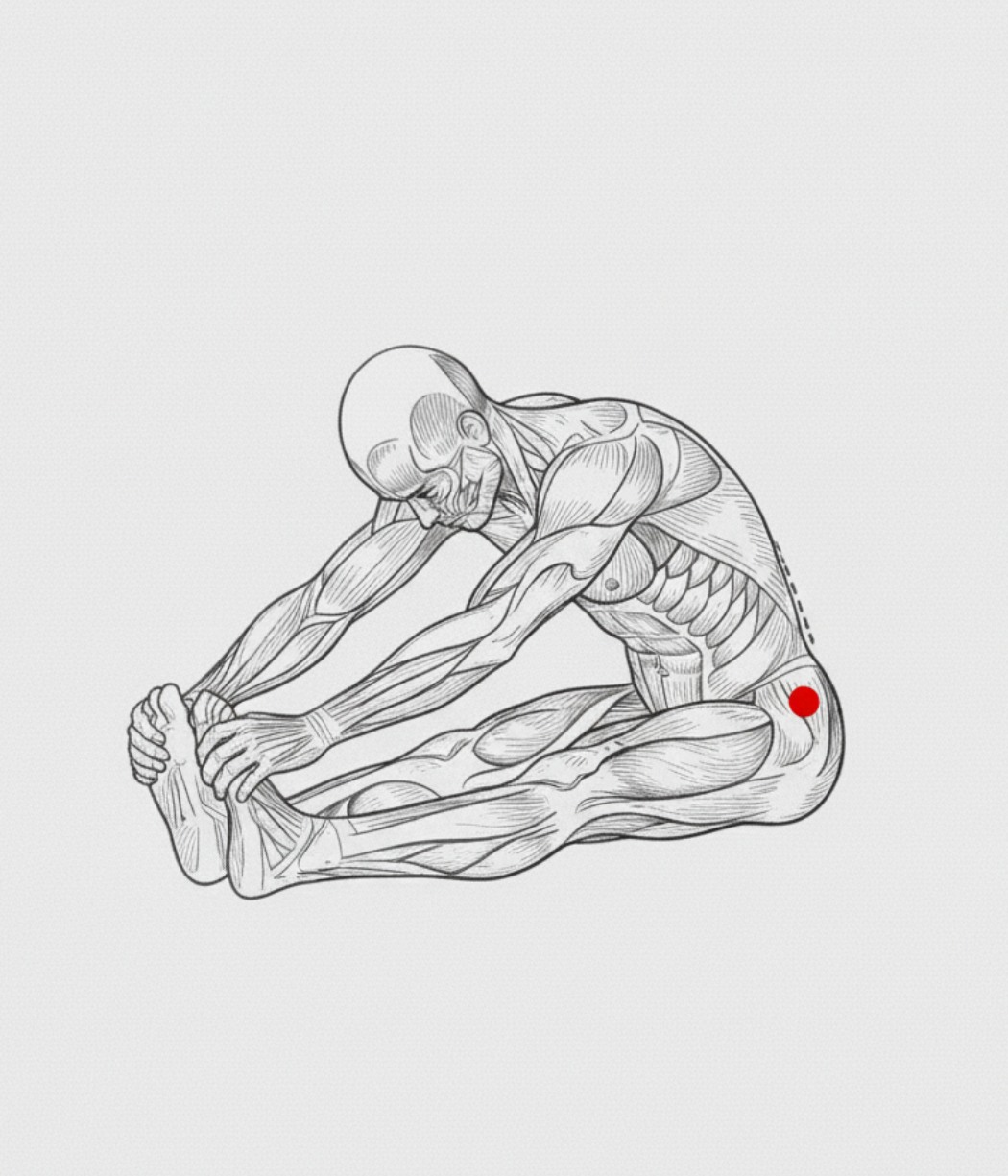
Why the pain persists
Because tubal ligation is laparoscopic and considered low-risk, ongoing pain is often attributed to other causes or dismissed entirely. But even small incisions and subtle tissue manipulation in the pelvis can create meaningful nerve and fascial changes that generate chronic symptoms.
Post-C-section pain
Recovery from a cesarean should feel like healing, not a new source of chronic pain. Tightness, pulling, and deep pelvic aching can persist for months or years after delivery.
- Incision tightness & pulling
- Scar-related nerve pain
- Pelvic & lower back pain
Post-hysterectomy pain
Persistent pelvic discomfort after a hysterectomy is more common than many patients expect, and more treatable than they’re told. The source is often scar tissue or altered fascial support, not recurrence.
- Chronic pelvic pain
- Hip & sacroiliac joint pain
- Adhesion-related discomfort
Post-ovarian surgery pain
Cyst removal, oophorectomy, and endometrioma excision can leave behind subtle tissue changes that drive ongoing pelvic pain, often in areas that feel unrelated to the original surgery.
- Localized pelvic pain
- Trocar site nerve irritation
- Hip & thigh radiating pain
Post-endometriosis surgery pain
A technically successful excision doesn’t always end the pain. Residual nerve sensitization and scar-related restriction can keep symptoms alive even after the disease itself has resolved.
- Persistent post-excision pain
- Pelvic floor involvement
- Adhesion-related symptoms
Pain after myomectomy
Fibroid removal can involve significant uterine and abdominal wall repair. For some women, the healing process leaves behind scar tissue and nerve irritation that outlasts the recovery timeline.
- Abdominal wall tightness
- Deep pelvic aching
- Scar-related nerve sensitivity
Pain after tubal ligation or reversal
Often dismissed as unrelated to the procedure, pain after tubal ligation or reversal can stem from small but significant nerve and fascial changes at the surgical site
- Pelvic & lower abdominal pain
- Trocar site sensitivity
- Unexplained groin discomfort
Pain after prolapse repair
Pelvic organ prolapse repair alters the support structures of the entire pelvic floor. When pain lingers after surgery, it often reflects tissue tension or nerve irritation rather than surgical failure.
- Pelvic floor pressure & pain
- Lower back & hip discomfort
- Nerve-related pelvic symptoms
Pain after diagnostic laparoscopy
Even a minimally invasive procedure can leave a lasting mark. Small trocar incisions may seem insignificant, but they can become sites of persistent nerve irritation and fascial restriction.
- Trocar site nerve pain
- Abdominal wall sensitivity
- Referred pelvic discomfort

Not sure which applies to you?
Book Your Virtual or In Person Consultation
Dr. Nahas’s evaluation process is designed to uncover hidden contributors regardless of the procedure. Schedule a consultation to get a personalized assessment, no referral required.