
Ultrasound-Guided Hydrodissection
A Precise Approach to Relieving Nerve Pain
When nerves become irritated, compressed, or restricted by surrounding tissue, they can produce persistent pain, numbness, tingling, burning, or weakness. Hydrodissection is a minimally invasive procedure that uses ultrasound guidance to gently separate a nerve from the surrounding tissues, helping restore movement and reduce irritation.
Dr. Nahas is a leader in neural therapy, bringing new insights on the important links between nerves and fascia to better understand and treat pain. He uses hydrodissection as part of a comprehensive evaluation and treatment plan tailored to each patient’s unique pattern of pain.

What Is Hydrodissection?
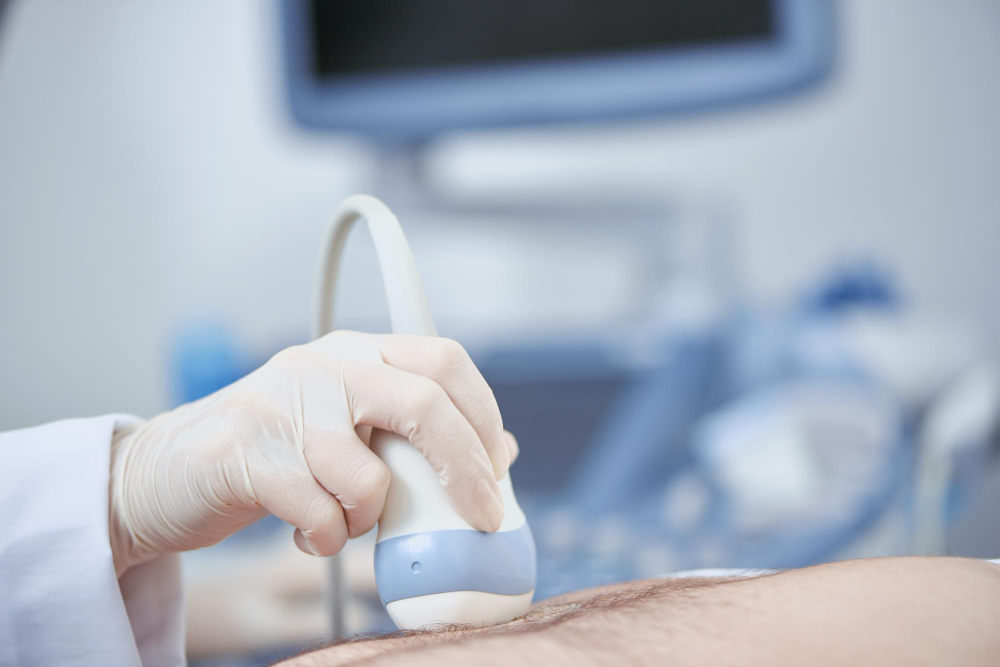
Hydrodissection is an ultrasound-guided injection technique that uses a carefully placed solution to peel away the tissue fibers that can be strangulating, or wrapped around, a sensitized nerve.
Rather than treating only the symptoms, the goal is to relieve mechanical irritation caused by scar tissue, fascial restrictions, inflammation, or surrounding structures that may be limiting the nerve’s ability to move freely. This irritation can cause neuroinflammation, which is strongly linked to neuropathic pain.
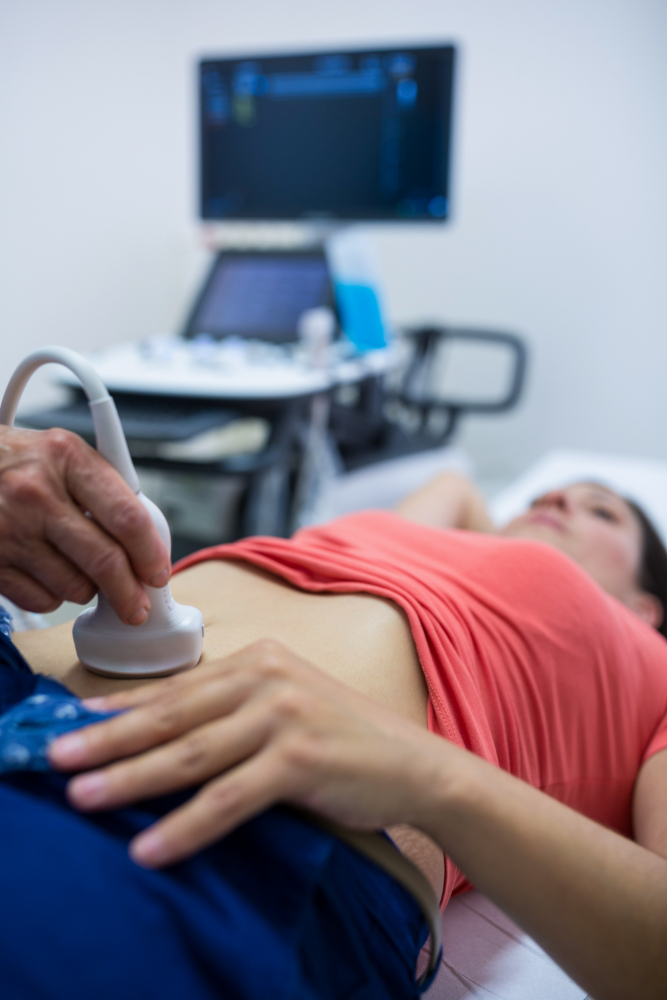
Using real-time ultrasound allows Dr. Richard Nahas to visualize the nerve and surrounding anatomy throughout the procedure, helping ensure precise placement while avoiding nearby blood vessels and other important structures.
How Does Hydrodissection Work?
Healthy nerves are designed to glide smoothly as we move. Following surgery, injury, repetitive strain, or inflammation, scar tissue and surrounding tissues can sometimes restrict that normal movement. This may contribute to ongoing pain or abnormal nerve signaling.
Hydrodissection works by gently separating the nerve from these surrounding tissues using fluid delivered under ultrasound guidance.
Depending on your condition, the injected solution may include saline, local anesthetic, dextrose, or other medications selected as part of your individualized treatment plan.
Conditions That May Benefit From Hydrodissection
- Nerve entrapment
- Persistent post-surgical pain
- Scar-related pain
- Peripheral nerve pain
- Chronic pelvic pain
- Carpal tunnel syndrome
- Occipital neuralgia
- Meralgia paresthetica
- Intercostal neuralgia
- Chronic abdominal wall pain
- Pain after C-section
- Pain after hernia repair
- Other chronic pain conditions involving irritated or restricted nerves
Every patient is different, and not every condition is appropriate for hydrodissection. A comprehensive evaluation helps determine whether this treatment may be beneficial.
While many pain syndromes can benefit from hydrodissection, it can play a unique role in treating persistent post-surgical pain, including pain after Cesarean section, hysterectomy or mastectomy, joint replacement and other surgical procedures.
What to Expect
During the Procedure
- The treatment area is carefully examined with ultrasound.
- The skin is cleaned and prepared.
- A small needle is guided to the targeted area while continuously visualizing the anatomy.
- Fluid is injected around the nerve to gently separate it from surrounding tissues.
- The procedure is typically completed within 15 to 30 minutes.
Most patients return home shortly afterward.
Why Ultrasound Guidance Matters
- Increased precision
- Avoidance of nearby structures
- Personalized treatment based on your anatomy
- Ability to evaluate tissue movement during the examination
Ultrasound guidance allows treatment to be tailored to each patient’s unique findings rather than relying solely on anatomical landmarks.
Dr. Nahas uses unique palpation skills that allow him to deliver a more effective ultrasound-guided hydrodissection procedure. This allows him to precisely locate the source of your pain, and target his injections using feedback from the device, combined with feedback that comes directly from your body.
Frequently Asked Questions
Is hydrodissection painful?
Most patients experience only mild discomfort during the procedure. Because ultrasound guidance allows for precise needle placement, treatment is typically well tolerated.
How many treatments will I need?
The number of treatments varies depending on your diagnosis, symptom duration, and response. Some patients notice improvement after one treatment, while others benefit from a series.
Is hydrodissection surgery?
No. It is a minimally invasive, office-based procedure using saline and very low doses of local anesthetics, and other medicines as needed.
How long does the appointment take?
Most appointments take approximately 30 to 60 minutes, including evaluation and treatment.
Am I a candidate?
While hydrodissection can play a role in most pain disorders, there may be other treatments that would be better for you. To find out if hydrodissection is right for you, schedule a consultation now. .
Hydrodissection as Part of a Comprehensive Approach
Hydrodissection is rarely viewed as a standalone treatment. Depending on your condition, it may be combined with:
- Neural Therapy
- Platelet-Rich Plasma (PRP)
- IV Lidocaine
- BodyMap Assessment
- Movement and breathing strategies
- Rehabilitation exercises
- Additional targeted interventions
The goal is to address the factors contributing to your pain while supporting your body’s natural healing processes.

Schedule a Consultation
If you’ve been living with persistent nerve pain, scar-related pain, or ongoing symptoms after surgery, a comprehensive evaluation can help determine whether hydrodissection may be an appropriate part of your treatment plan.
Schedule a consultation with Dr. Richard Nahas to learn more about your options.
Related Conditions
- Post C-Section Pain
- Endometriosis
- Fibromyalgia
- Nerve Entrapment
- Scar Pain
Related Treatments
- Neural Therapy
- IV Lidocaine
- Platelet-Rich Plasma (PRP)
- Ultrasound-Guided Injections
- BodyMap Assessment