
Platelet-Rich Plasma (PRP)
Harnessing Your Body’s Natural Healing Potential
Your body already contains powerful healing cells and growth factors designed to repair injured tissue. Platelet-Rich Plasma (PRP) uses a concentrated portion of your own blood to support your body’s natural healing response in areas of chronic injury, inflammation, or tissue dysfunction.
Dr. Nahas follows best practices for PRP injections, as many other physicians do. What makes his approach unique is what he adds to the procedure. While the platelet-poor plasma (PPP) fraction is typically discarded during the procedure, it contains different growth factors, and some of these target nerves.
Your PRP procedure will include the targeted injection of PPP into targeted areas where sensitized nerves can create muscle tension and distort bony alignment. This more personalized approach delivers more than PRP alone.

What Is PRP?
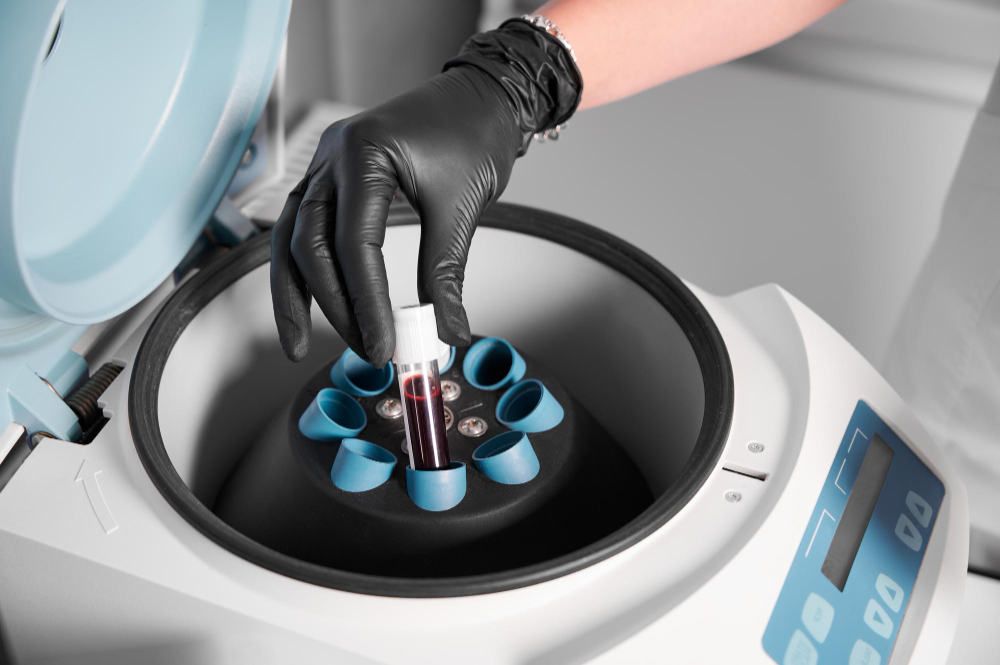
Platelet-Rich Plasma (PRP) is created by drawing a small sample of your blood and processing it to concentrate the platelets.Platelets contain naturally occurring proteins and growth factors that play an important role in tissue repair.
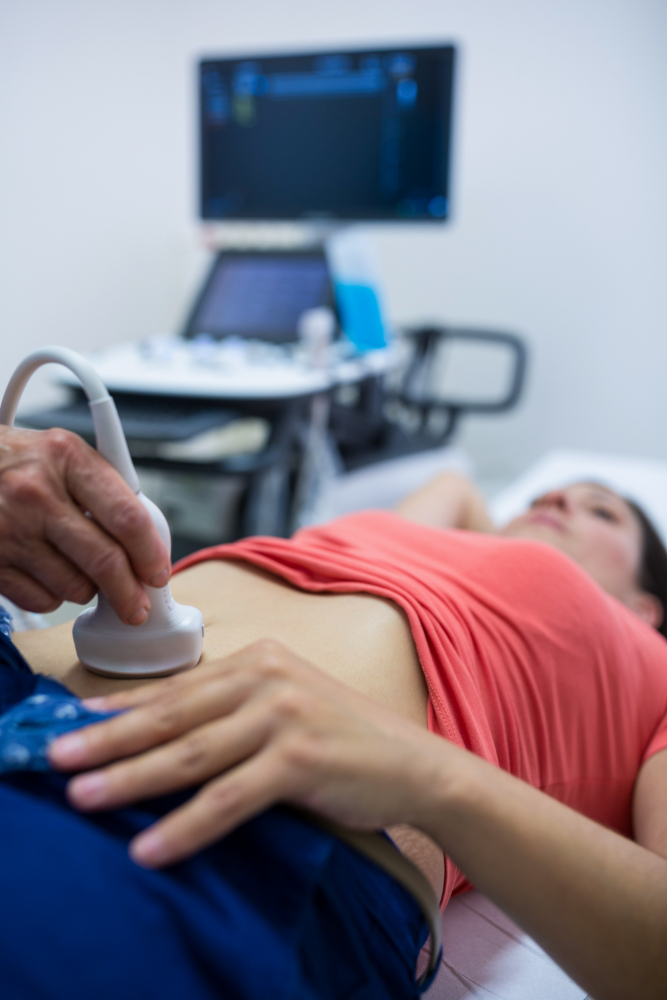
Once prepared, the PRP is injected into carefully selected areas under ultrasound guidance to encourage healing and support tissue recovery.
Because PRP comes from your own blood, it contains no synthetic medications or foreign substances.
How Does PRP Work?
When tissue has been injured, your body begins a natural healing response.
Sometimes healing becomes incomplete or stalled due to chronic inflammation, repetitive stress, poor tissue quality, or previous surgery.
PRP delivers a concentrated source of your own platelets directly to the area being treated, helping support the body’s normal healing processes.
PRP may be used to treat:
- Tendons
- Ligaments
- Fascia
- Muscles
- Scar tissue
- Joints
- Peripheral nerves
Dr. Nahas will augment your PRP procedure using a neural therapy approach to target other pain generators that may prevent complete healing of the tissue being treated. This may include local anesthetics, PPP and other medicines.

Conditions That May Benefit From PRP
- Persistent post-surgical pain
- Scar-related pain
- Tendon injuries
- Ligament injuries
- Osteoarthritis
- Joint pain
- Chronic muscle injuries
- Fascia dysfunction
- Peripheral nerve irritation
- Chronic pelvic pain
- Sports injuries
Not every patient is an ideal candidate for PRP. Your consultation helps determine whether this treatment is appropriate based on your diagnosis and goals.
Why Ultrasound Guidance Matters
At NYC Pain Treatment, PRP injections are performed using real-time ultrasound guidance whenever appropriate.
- Visualize the target tissue
- Improve injection precision
- Avoid surrounding nerves and blood vessels
- Personalize treatment based on your anatomy
What to Expect
- A small blood sample is collected.
- The blood is processed to concentrate the platelets.
- The treatment area is evaluated with ultrasound.
- The PRP is injected into the targeted tissue.
- You receive personalized aftercare instructions.
Most appointments are completed within approximately one hour.
Recovery After PRP
Because PRP works by stimulating your body’s natural healing response, improvement typically occurs gradually rather than immediately. Some patients experience temporary soreness for several days after treatment before noticing progressive improvement over the following weeks.
PRP as Part of a Comprehensive Treatment Plan
Depending on your evaluation, your treatment plan may also include:
- Neural Therapy
- Hydrodissection
- IV Lidocaine
- BodyMap Assessment
- Ultrasound-Guided Procedures
- Movement strategies
- Breathing techniques
- Rehabilitation

Frequently Asked Questions
Is PRP safe?
Because PRP is prepared from your own blood, the risk of allergic reaction is extremely low.
How many treatments will I need?
Some patients improve after one treatment, while others benefit from a series depending on the condition being treated.
Does PRP hurt?
Some discomfort is expected during the injection, followed by temporary soreness as healing begins.
When will I notice results?
Healing occurs gradually. Many patients begin noticing improvement over several weeks, with continued progress over the following months.
Is PRP covered by insurance?
Coverage varies. Our office will review costs and payment options with you before treatment.
Why Dr. Nahas delivers a unique PRP procedure
Dr. Nahas uses an integrative approach to deliver the best possible outcome. And the best way to start is by improving the health of your platelets. This can be done using targeted nutritional support and specific supplements for 2-4 weeks prior to your procedure.
PRP is not simply used to repair tissue that has been structurally damaged. Dr. Nahas has developed protocols that combine PRP with a neural therapy approach, targeting the specific areas where blockages are affecting your body.
This personalized approach helps ensure that you get the most benefit from your PRP procedure.
Schedule a Consultation
If you’re living with persistent pain from an injury, surgery, or chronic musculoskeletal condition, PRP may be one component of a personalized treatment plan designed to support your body’s natural healing.
Schedule a consultation with Dr. Richard Nahas to determine whether Platelet-Rich Plasma (PRP) is appropriate for your condition.
Related Conditions
- Post C-Section Pain
- Endometriosis
- Fibromyalgia
- Scar Pain
- Tendon Injuries
- Joint Pain
Related Treatments
- Neural Therapy
- Hydrodissection
- IV Lidocaine
- Bone Marrow Aspirate Concentrate (BMAC)
- Ultrasound-Guided Injections
- BodyMap Assessment