
Neural Therapy
Looking Beyond Where It Hurts
Many people living with chronic pain are told that nothing is wrong. Their MRI looks normal. Their surgery healed. Their blood work is fine. Yet the pain continues.
Dr. Richard Nahas treats chronic pain by addressing lesions that most doctors do not consider. These blockages to healing are related to old wounds, where the nervous system has become ‘stuck’ in a state of chronic stress. Previous injuries, surgery, infections, inflammation, or emotional and physical trauma can leave certain nerves trapped in an ongoing protective response long after the original injury has healed.
Neural Therapy is designed to interrupt these abnormal nerve signals and help restore the body’s natural ability to heal. For Dr. Nahas, Neural Therapy is more than a procedure—it represents a paradigm shift in healthcare, a personalized medicine approach that targets root causes that are unique to each individual, called Blockage-Based Care.

What Is Neural Therapy?
Neural Therapy is an injection-based treatment that uses a local anesthetic called procaine to temporarily interrupt abnormal nerve signaling. This ‘turns off’ the noise in disturbed circuits that can generate tension, inflammation and stress.
Although procaine only remains in the body for a short time, its therapeutic effects often last much longer. Rather than simply numbing pain, Neural Therapy aims to reset nerves that have become chronically irritated or hypersensitive.
Why Does Chronic Pain Continue After Healing?
After surgery, injury, infection, or inflammation, nerves can remain overly sensitive even after tissues have healed normally. These nerves continue sending danger signals to the brain, contributing to persistent pain, muscle tension, restricted movement, autonomic dysfunction, and central sensitization.
Neural Therapy is used by thousands of doctors and dentists worldwide. Dr. Nahas brings a unique approach to neural therapy, and is teaching new palpation skills and myofascial techniques to his colleagues around the world. This targeted, logical and effective approach aims to restore healthy communication within the nervous system.

Treatment May Be
Directed Toward
- Surgical scars
- Areas of previous injury
- Trigger points
- Peripheral nerves
- Autonomic ganglia
- Fascial restrictions
- Other locations identified during your evaluation
How Neural Therapy Fits Into Blockage-Based Care
Every patient receives a comprehensive evaluation including a detailed medical history, review of previous injuries and surgeries, scar assessment, movement evaluation, palpation of fascial tension patterns, and a Personalized BodyMap Assessment.
Rather than simply injecting where it hurts, Dr. Nahas searches for areas where previous trauma may still be influencing the nervous system. These blockages may exist far from the area where symptoms are felt.
Ultrasound-Guided Precision
Whenever appropriate, Neural Therapy is performed using real-time ultrasound guidance. This approach can augment the procedure by helping to:
- Visualize nerves
- Identify surrounding anatomy
- Improve injection accuracy
- Avoid important blood vessels
- Personalize treatment to your unique anatomy
Conditions That May Benefit From Neural Therapy
- Persistent post-surgical pain
- C-section scar pain
- Endometriosis
- Fibromyalgia
- Chronic neck pain
- Chronic low back pain
- Headaches
- Sports injuries
- Scar pain
- Peripheral nerve pain
- Chronic pelvic pain
- Myofascial pain
- Nerve entrapment

Treatment Options
Treatment is tailored to each patient’s unique symptoms and examination findings.
- IV Lidocaine to calm central sensitization
- Neural Therapy
- Hydrodissection when nerve entrapment is identified
- Guided stretching and movement strategies
- Scar treatment when appropriate
- Regenerative medicine procedures in select patients
What to Expect During Treatment
- Review of your symptoms and BodyMap findings.
- Ultrasound evaluation, when appropriate.
- Targeted Neural Therapy injections.
- Guided stretching or movement techniques.
- Personalized home exercises and recommendations.
Neural Therapy Is Often Combined With Other Treatments
- IV Lidocaine
- Hydrodissection
- Platelet-Rich Plasma (PRP)
- Bone Marrow Aspirate Concentrate (BMAC)
- Guided stretching
- Rehabilitation strategies
Frequently Asked Questions
Does Neural Therapy simply numb the pain?
No. The goal is not temporary numbing but restoring more normal nerve communication by resetting disturbed circuits linked to pain pathways.
Is the treatment painful?
Most patients tolerate Neural Therapy very well. The injections are performed with fine needles, and discomfort is typically brief.
How many treatments will I need?
Every patient is different. Some improve after one treatment, while others require a series. If you do not report significant improvement after three treatments, it is time to do some detective work.
How quickly will I notice results?
Some patients experience immediate changes, while others improve gradually over time. Symptoms that improve for at least a day suggest a positive response to treatment, but progress depends on many factors.
You should expect the improvement to steadily increase with each treatment. If your progress stops or plateaus, the best response is to ask why – and this is what Dr. Nahas will do. He will explain the potential causes that are most likely in your case, and will help you overcome these to support your progress.
Can Neural Therapy be combined with other treatments?
Yes. It is commonly combined with IV lidocaine, regenerative medicine, rehabilitation, and other therapies. If you have a mindful movement practice, you will be encouraged to take a blockage-based approach to your stretching, exercise and self-care.
Why Dr. Nahas Focuses on Neural Therapy
For more than two decades, Dr. Richard Nahas has dedicated his career to understanding how and why illness occurs, and how to support the the body and help it heal itself. . This work led him to neural therapy, which targets a new kind of lesion, one that doctors do not learn about in medical school.
Dr Nahas aims to establish the Blockage Theory of Disease as an important medical advance. This sees old wounds as treatable lesions, where sensitized nerves can be linked to restrictions in fascia, inflammation and other changes in the area, and in the body as a whole. If he is correct, these ‘blockages’ in the nervous system likely contribute to chronic pain and many other health conditions.
Neural Therapy is the primary tool he uses to treat these disturbances. Rather than masking symptoms, his goal is to restore healthier nervous system function and help patients regain mobility, resilience, and quality of life.

Begin Your Healing Journey
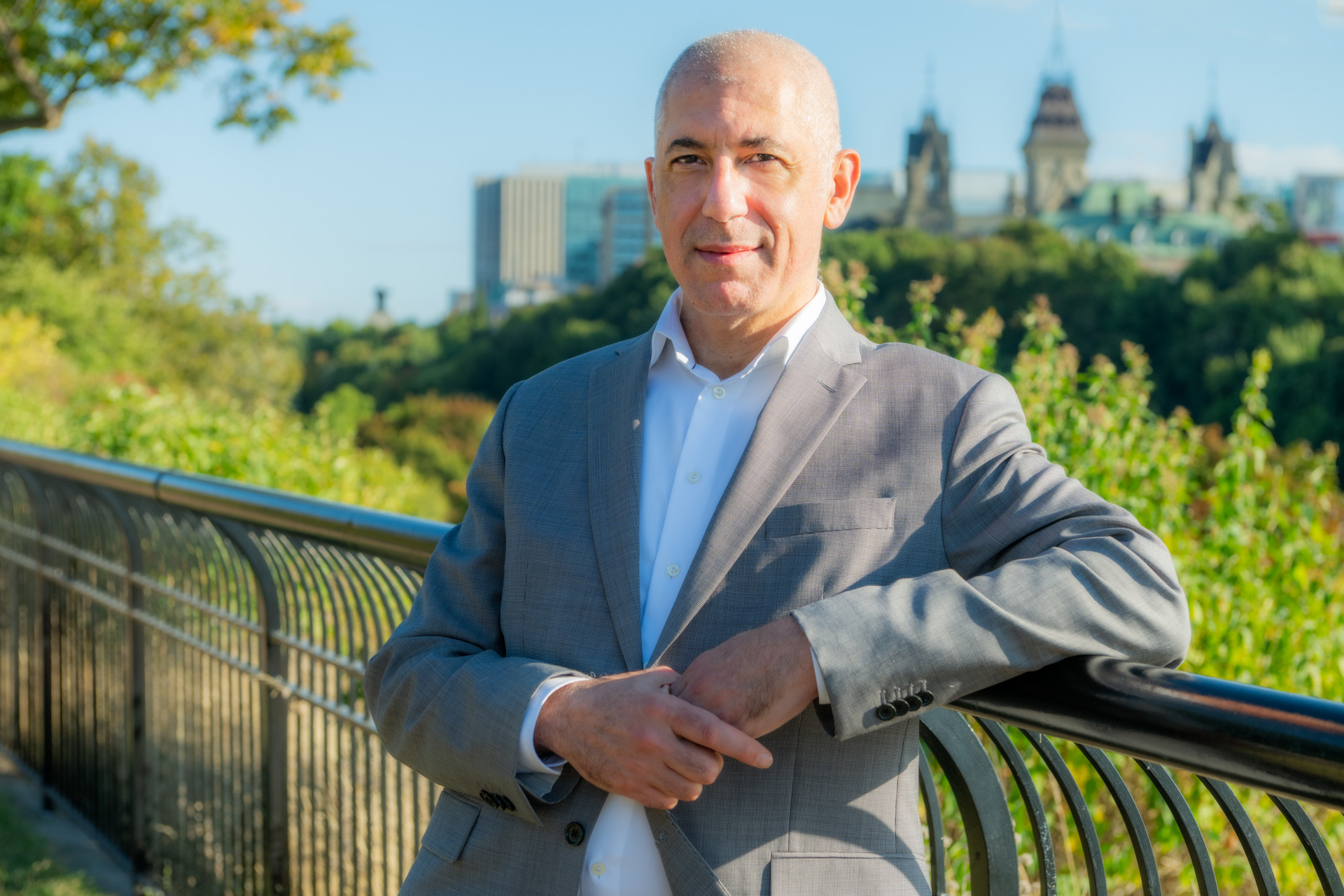
Every patient has a different story, and every treatment plan begins with understanding yours. During your consultation, Dr. Richard Nahas will review your medical history, evaluate your movement and BodyMap findings, and determine whether Neural Therapy may help address the underlying contributors to your pain.
Related Conditions
- Persistent Post-Surgical Pain
- C-Section Scar Pain
- Endometriosis
- Fibromyalgia
- Chronic Neck Pain
- Chronic Low Back Pain
Related Treatments
- IV Lidocaine
- Hydrodissection
- Platelet-Rich Plasma (PRP)
- Bone Marrow Aspirate Concentrate (BMAC)
- BodyMap Assessment